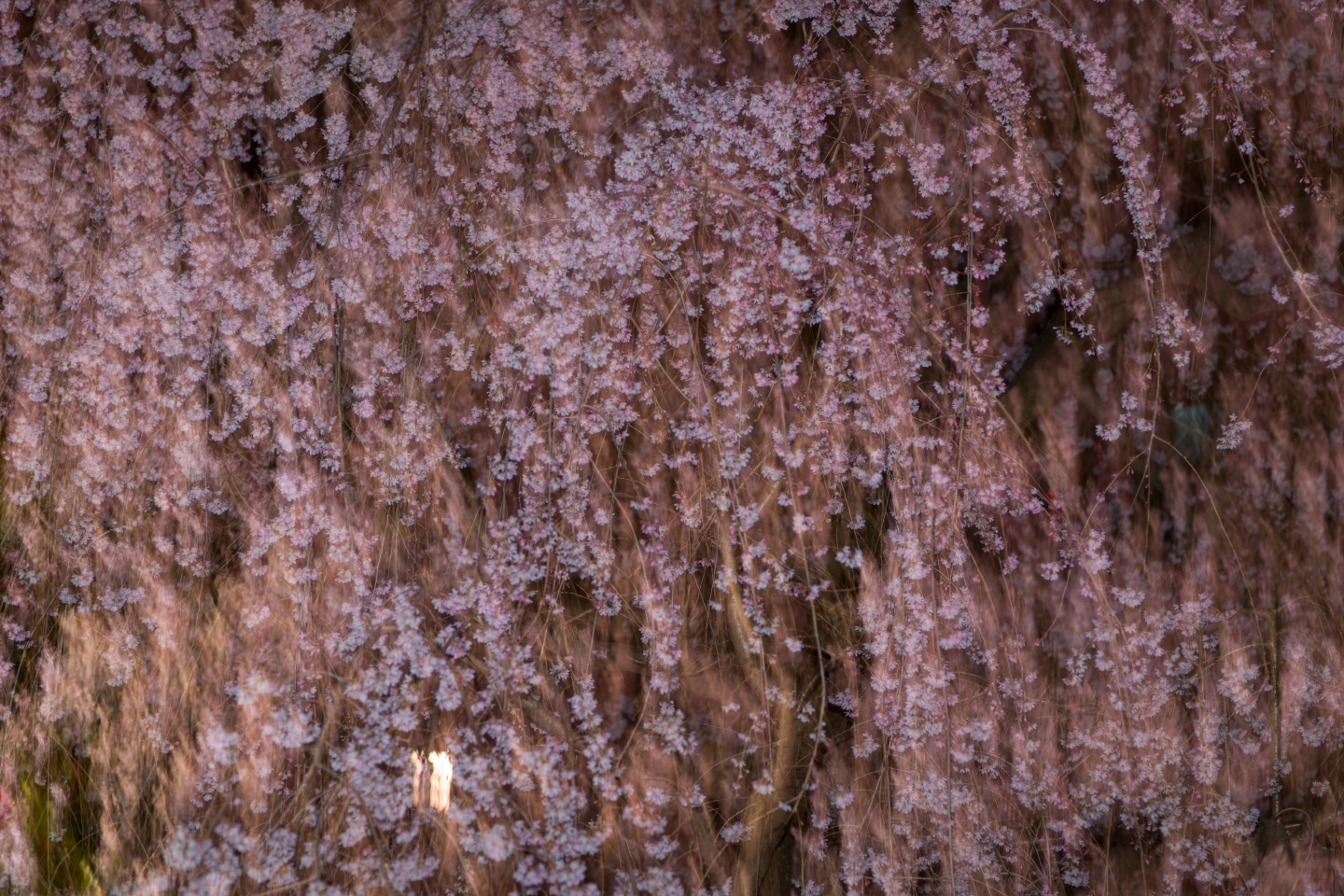
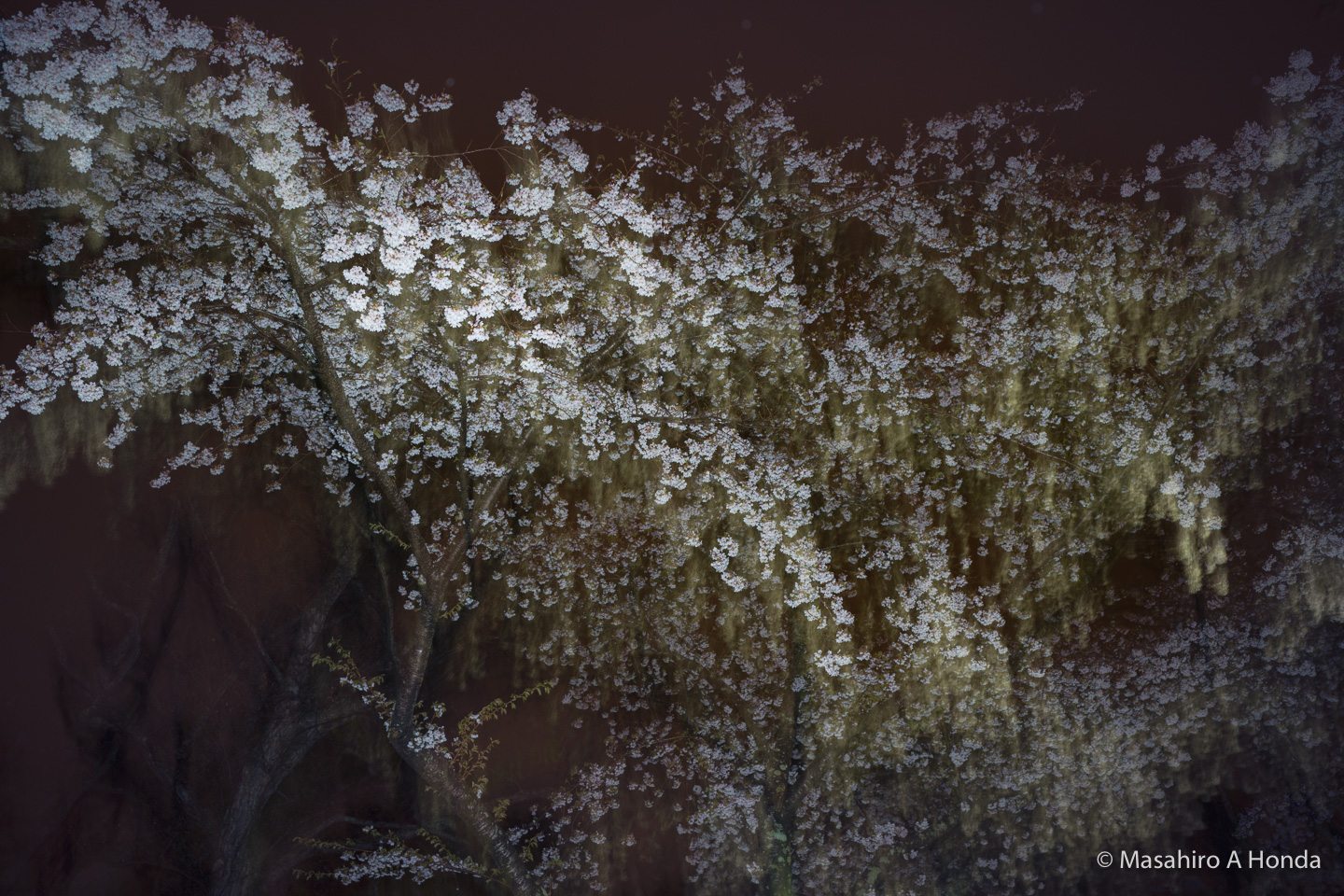
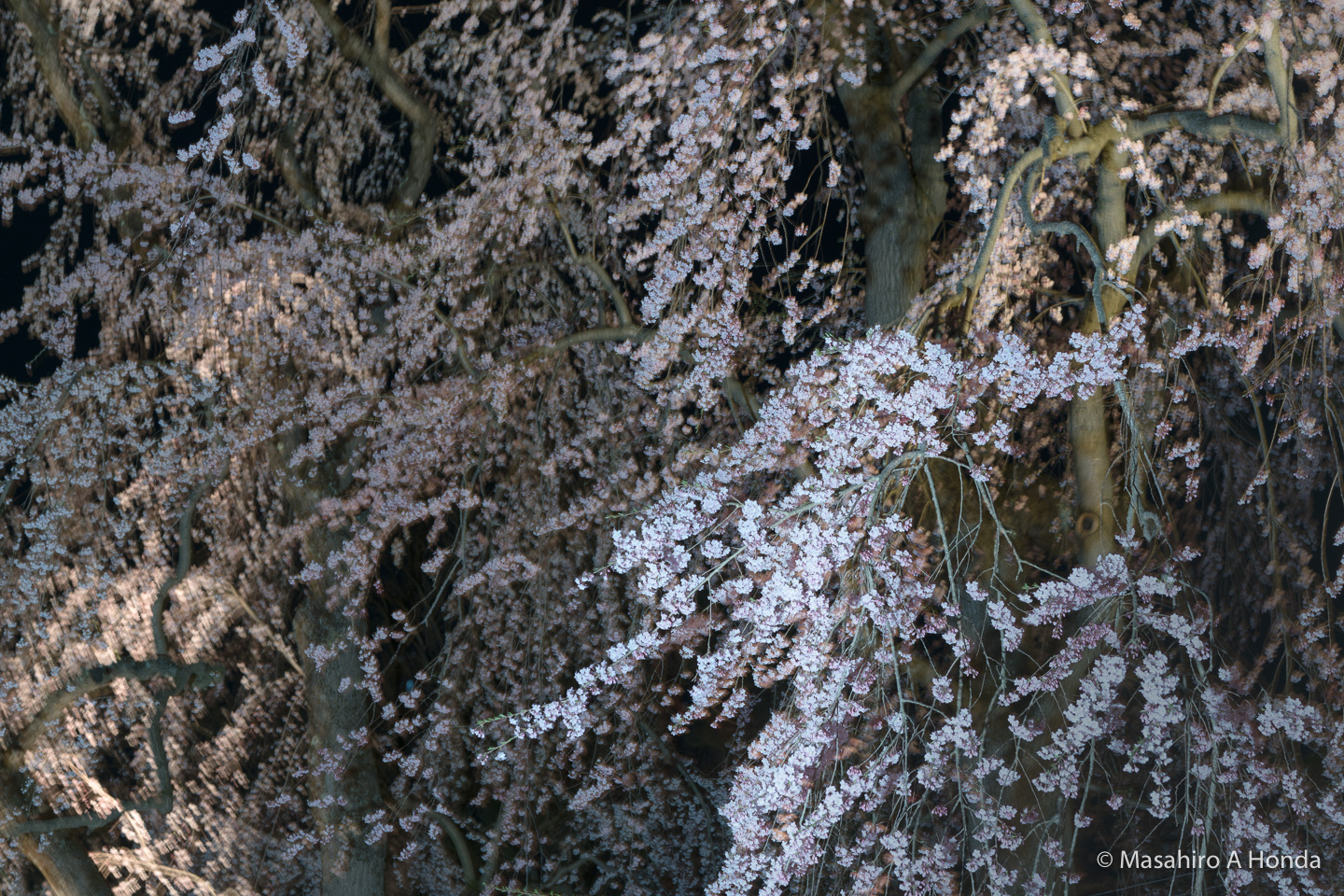
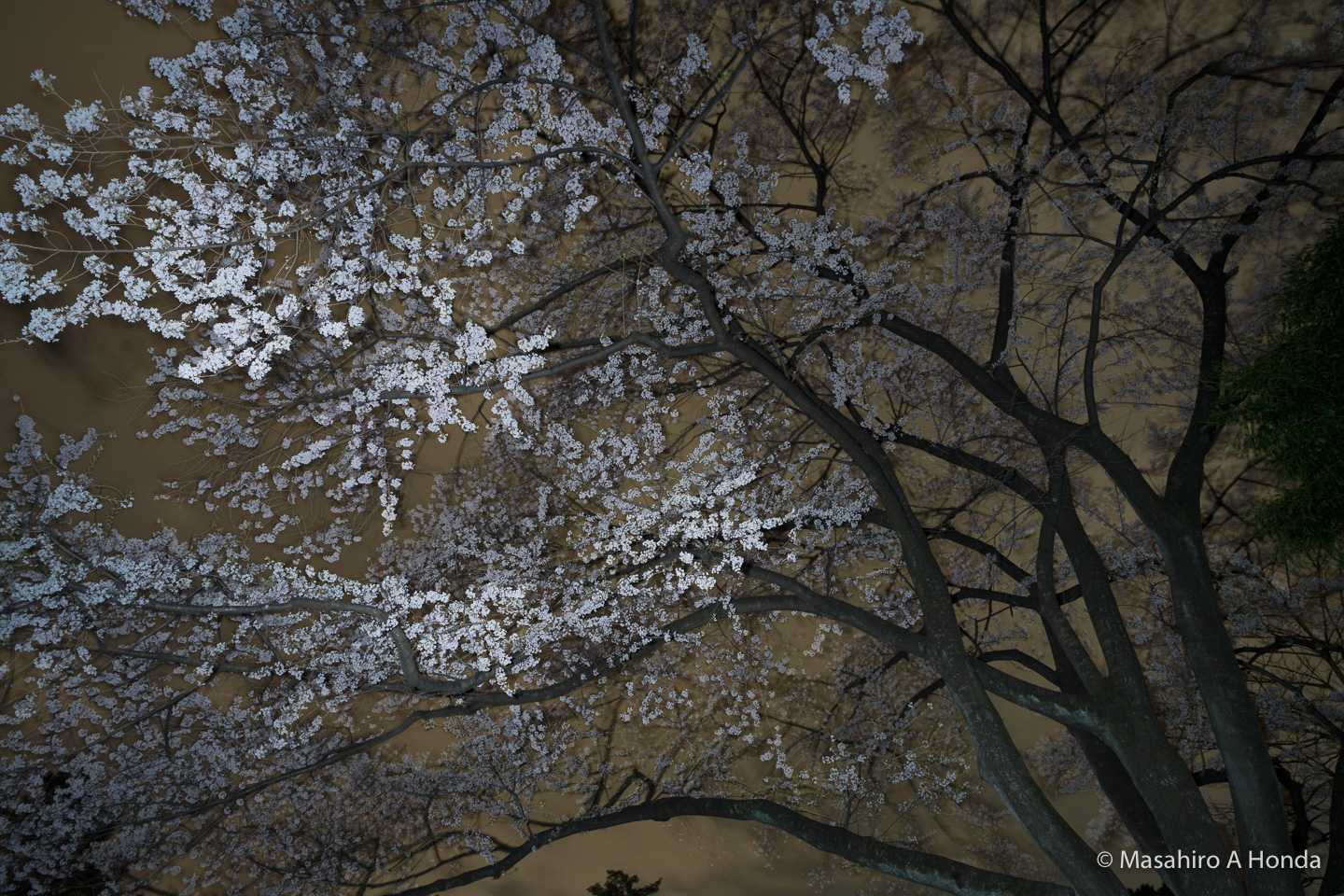
bloom in a flash
since 2007
Description
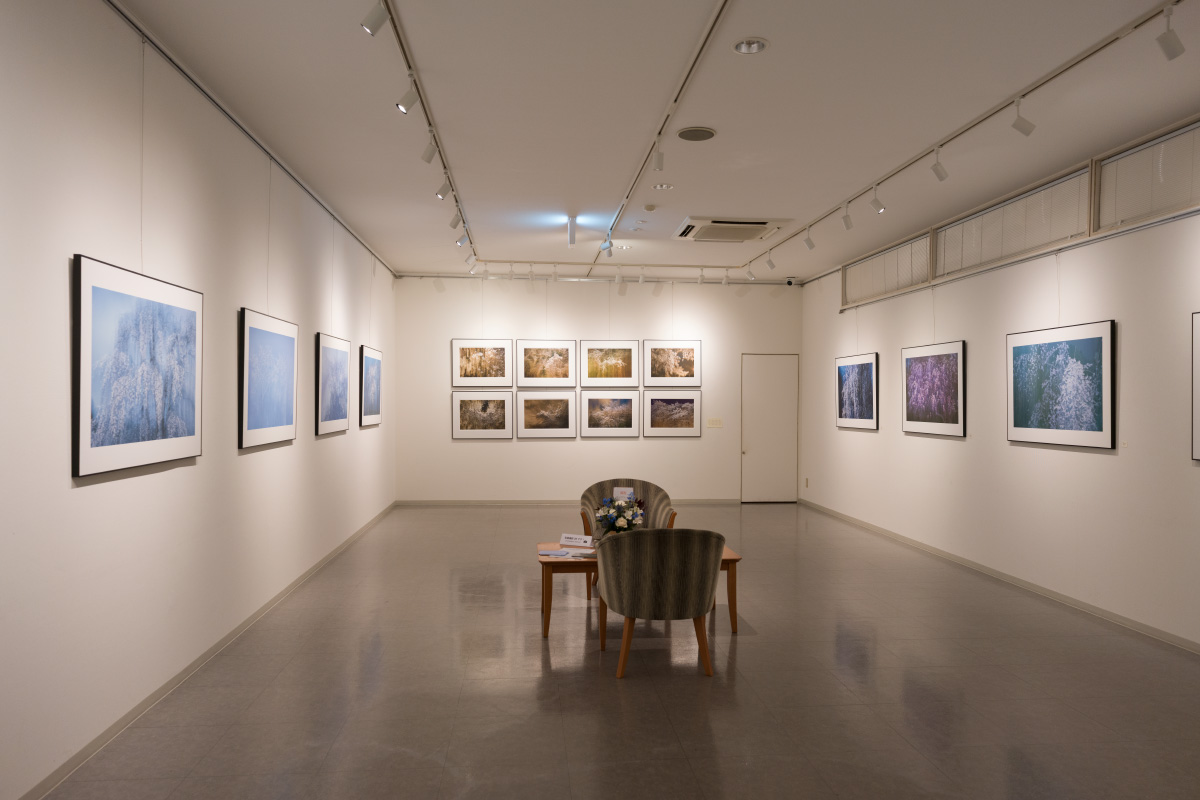
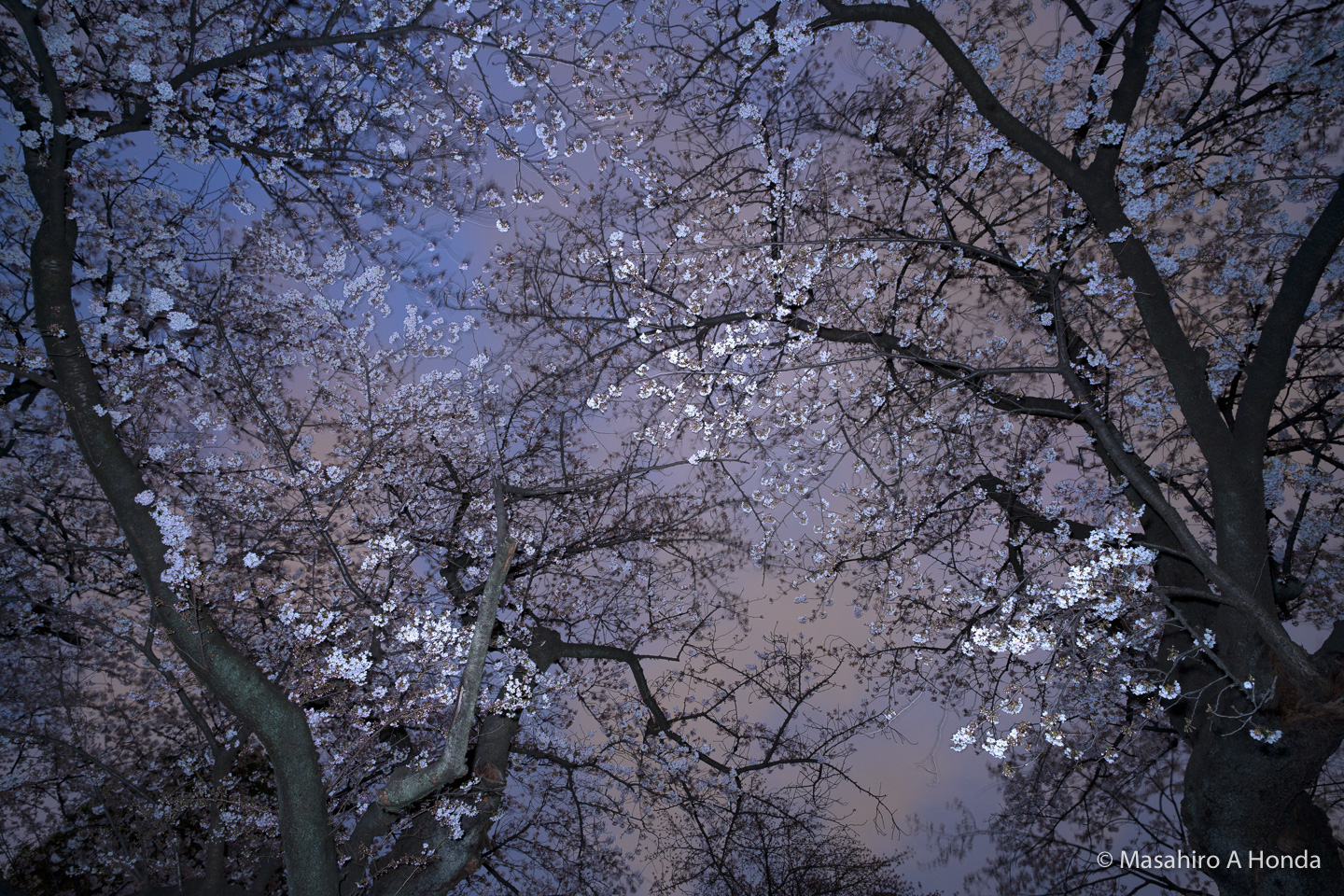
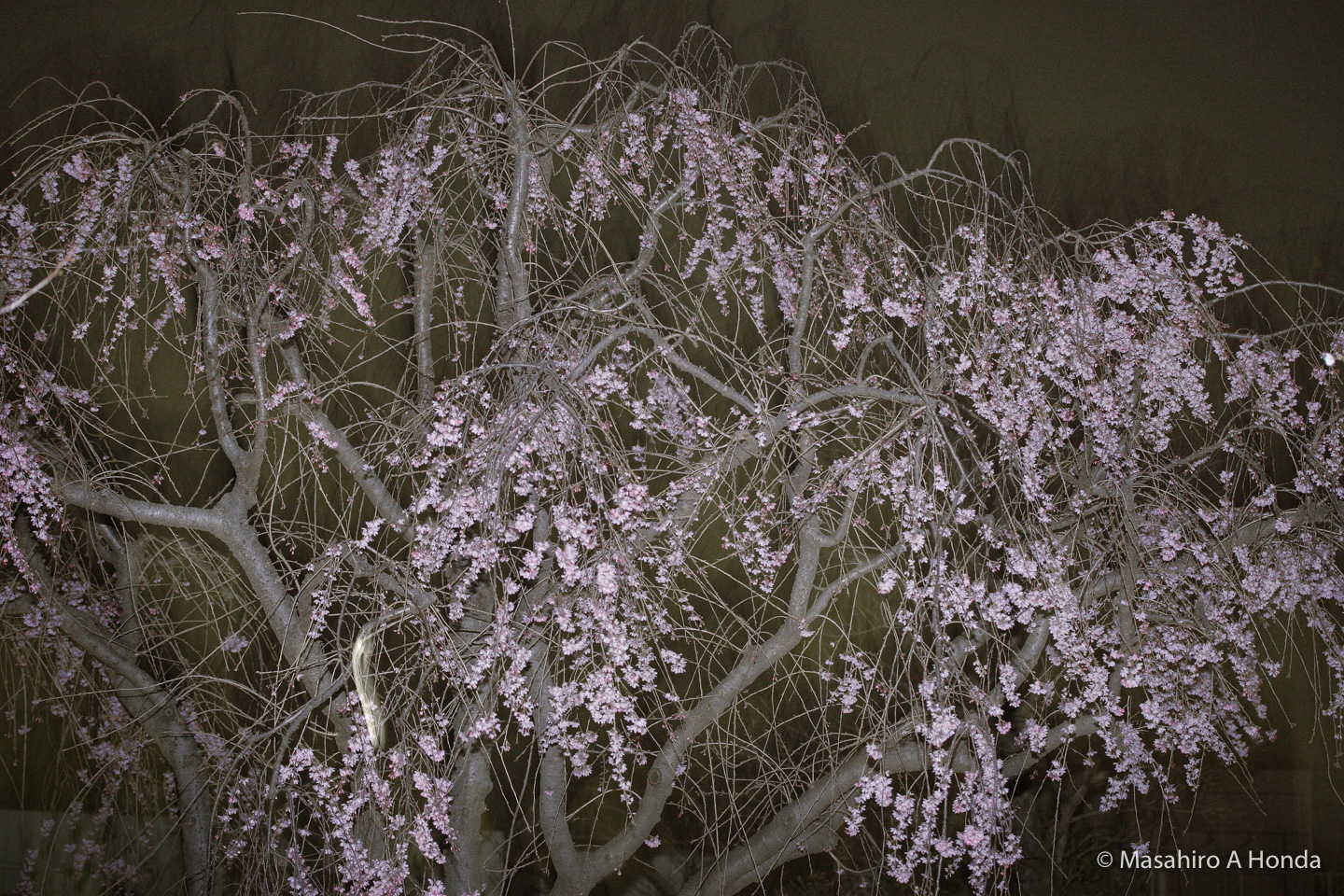
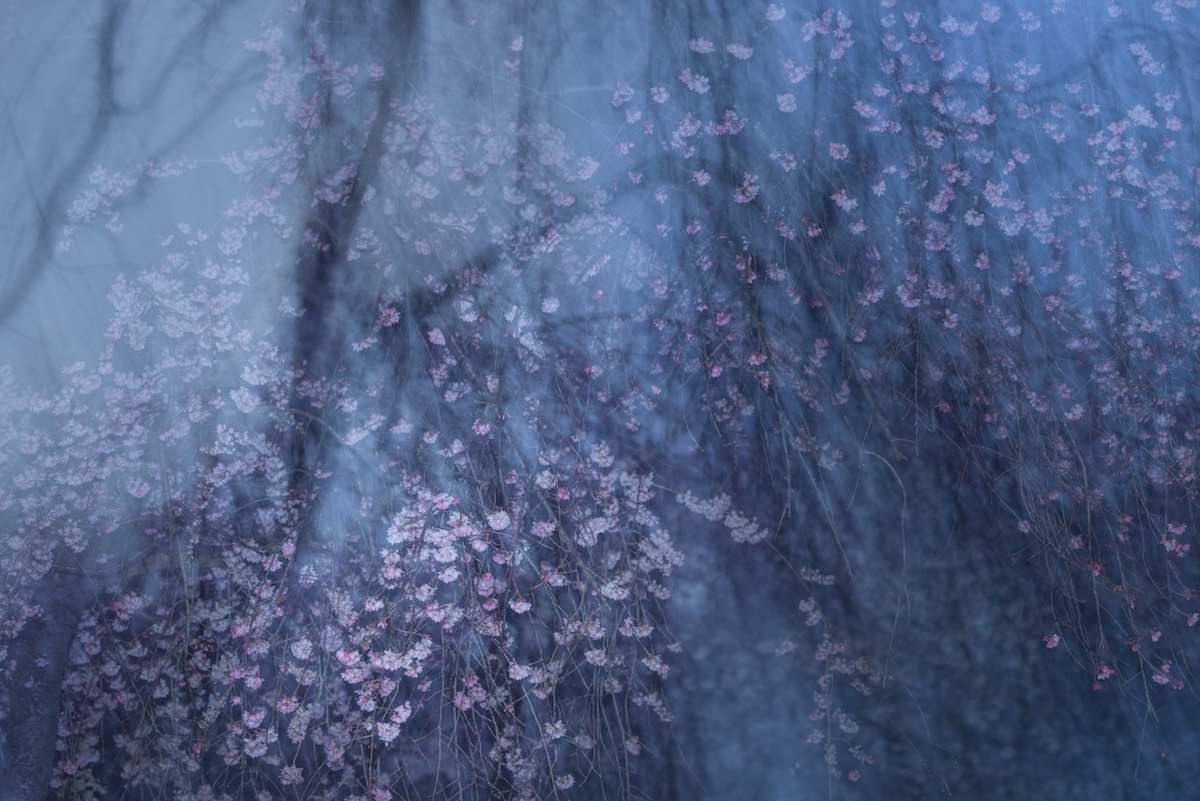
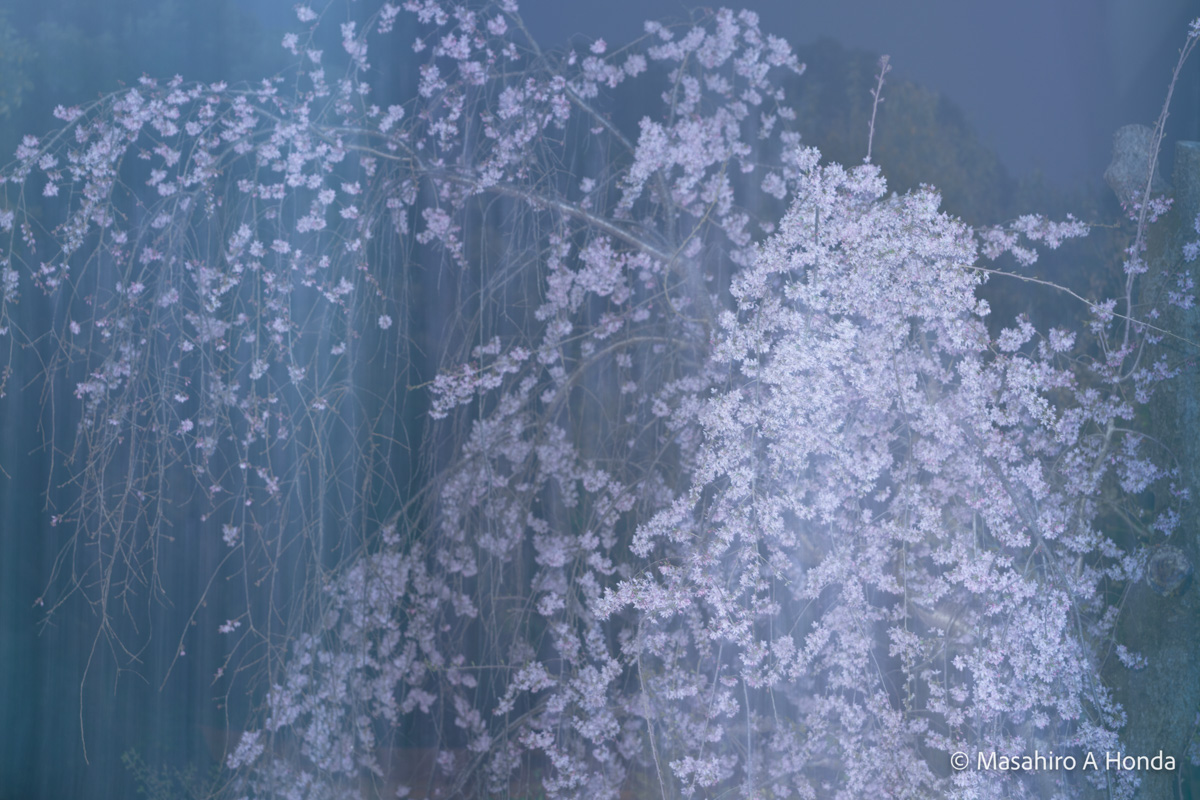
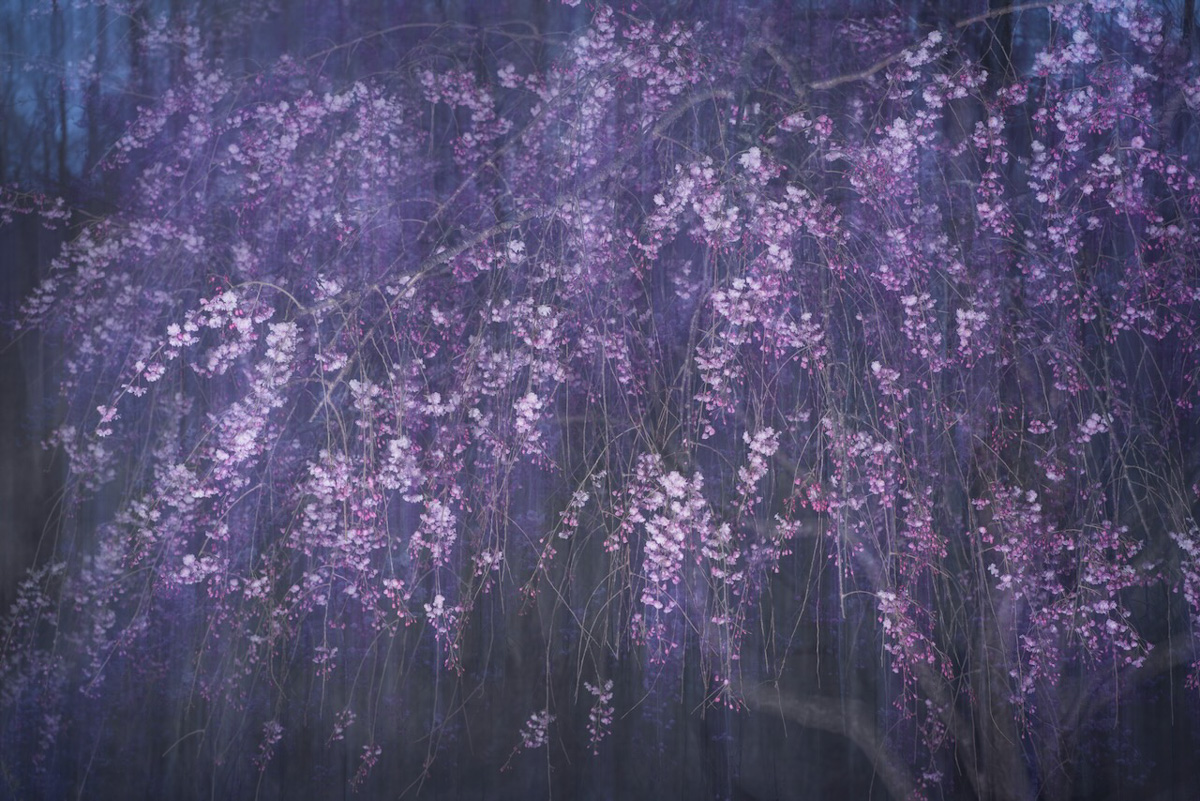
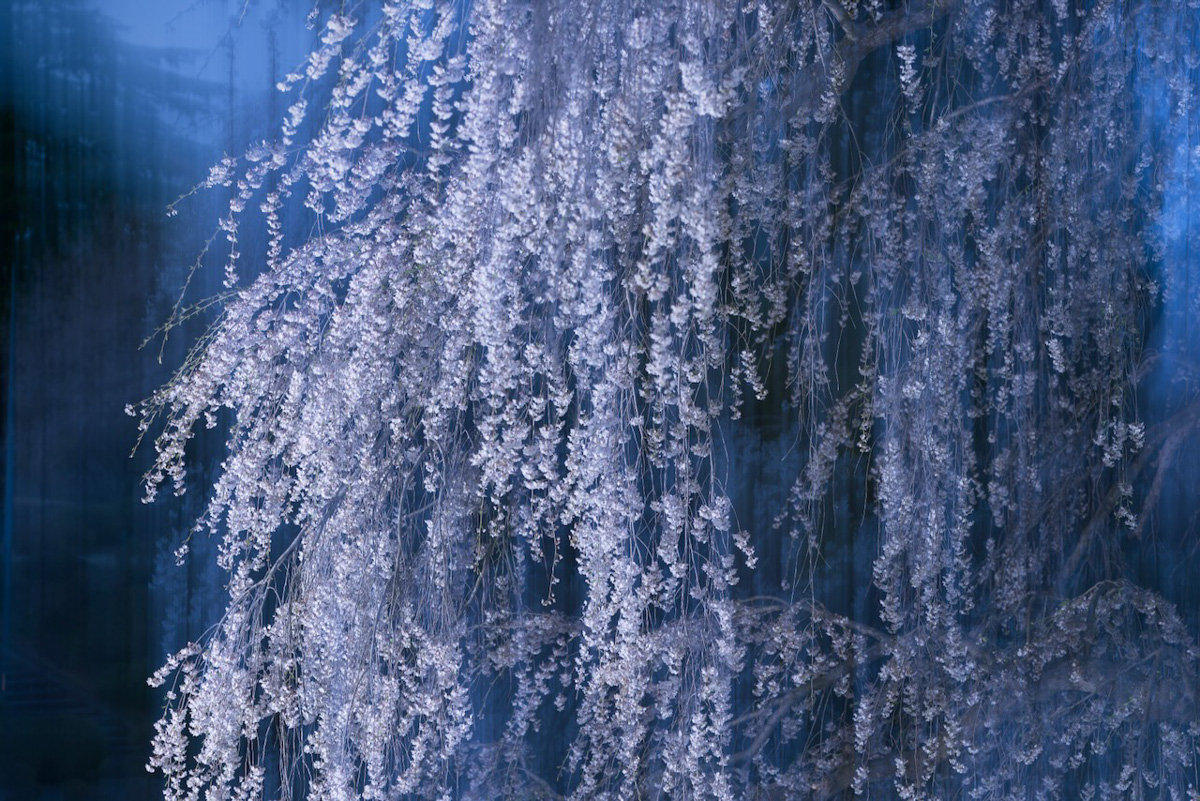
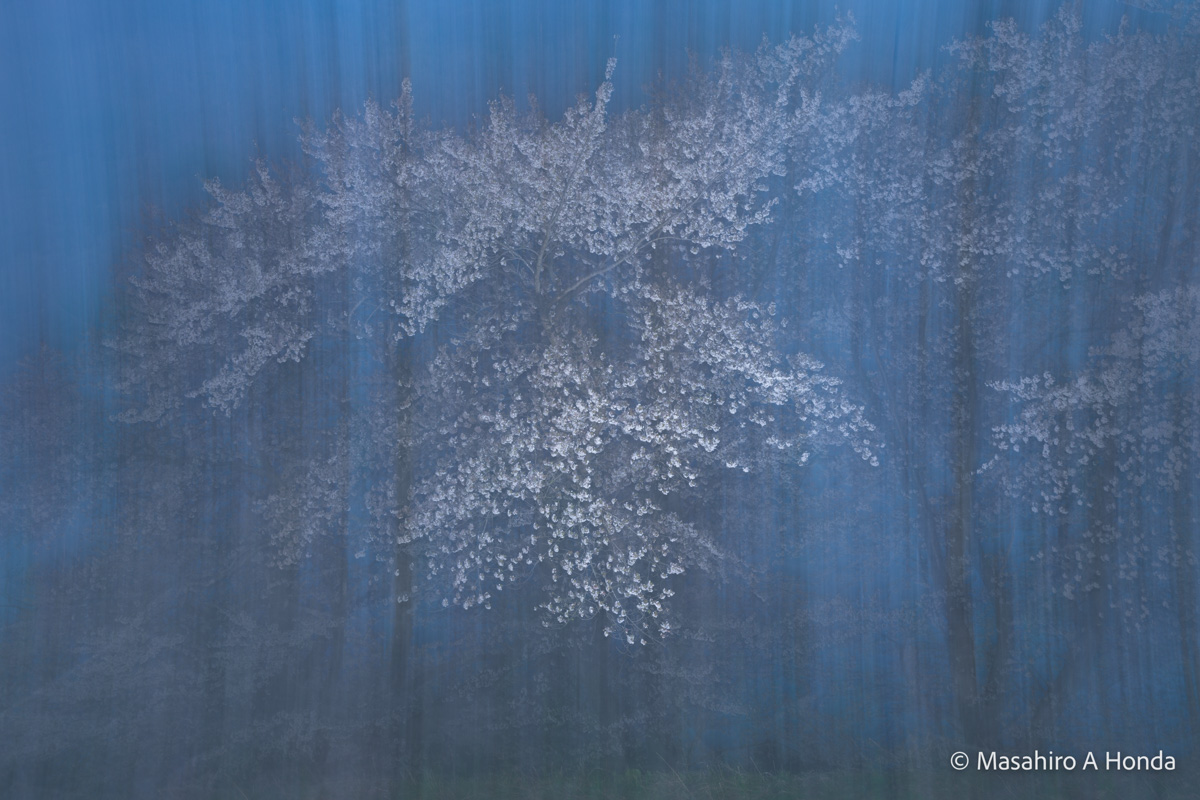
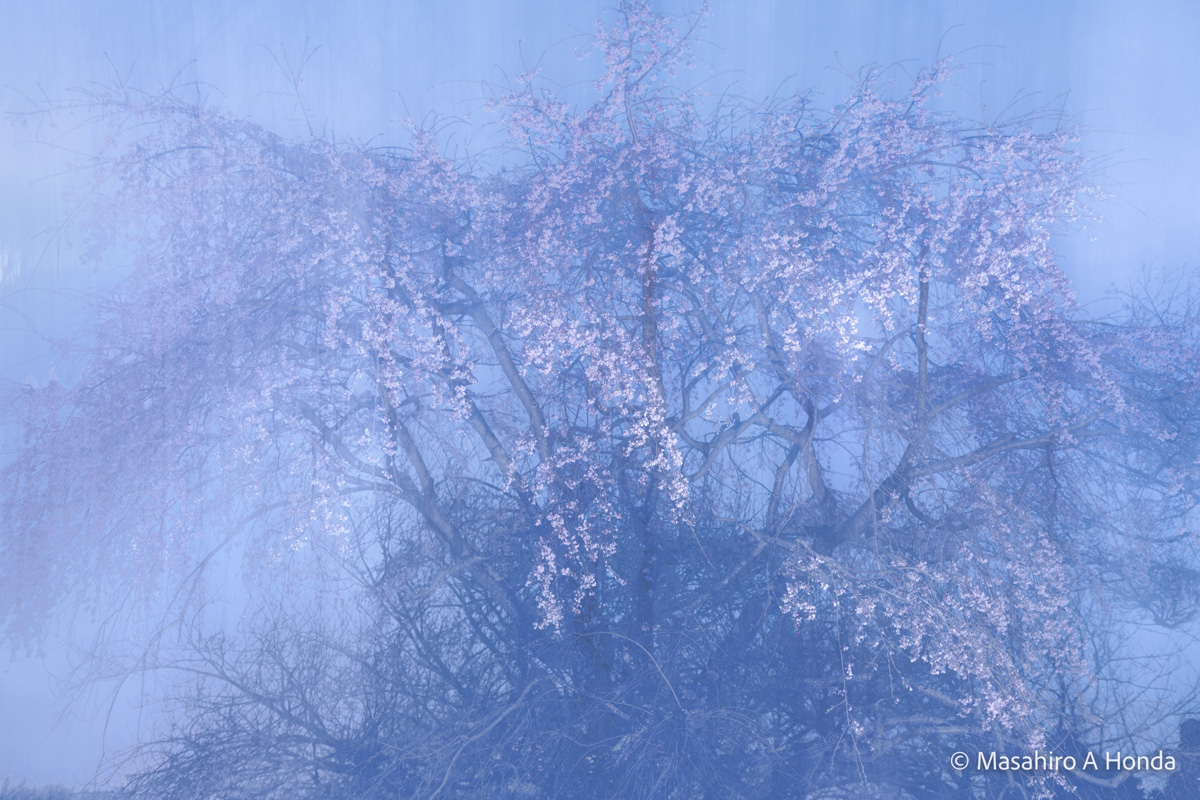
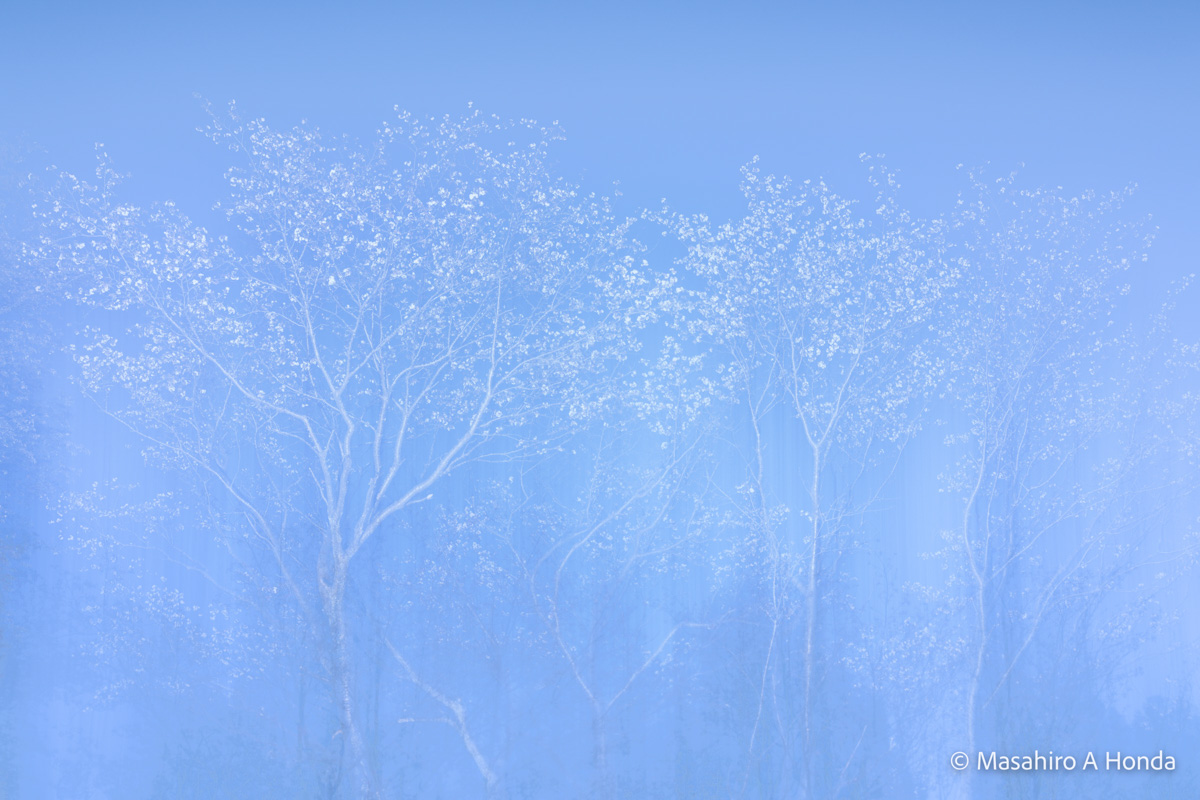
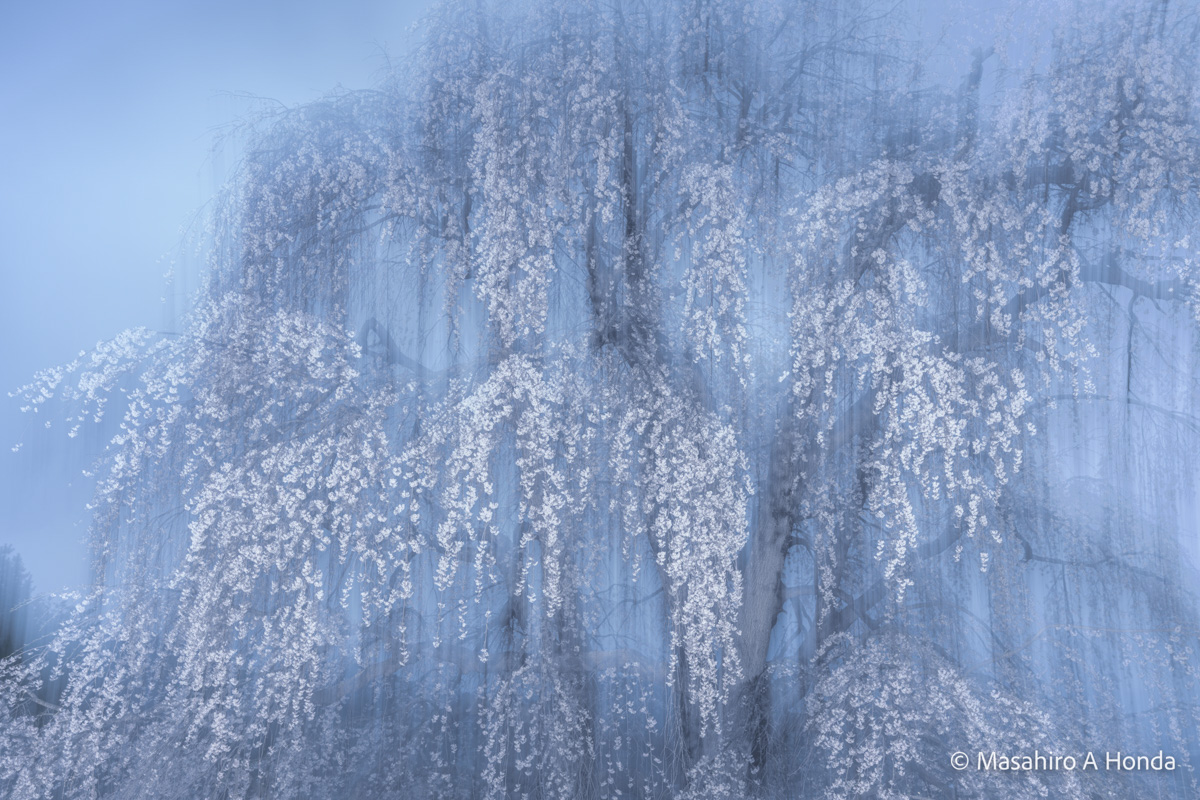
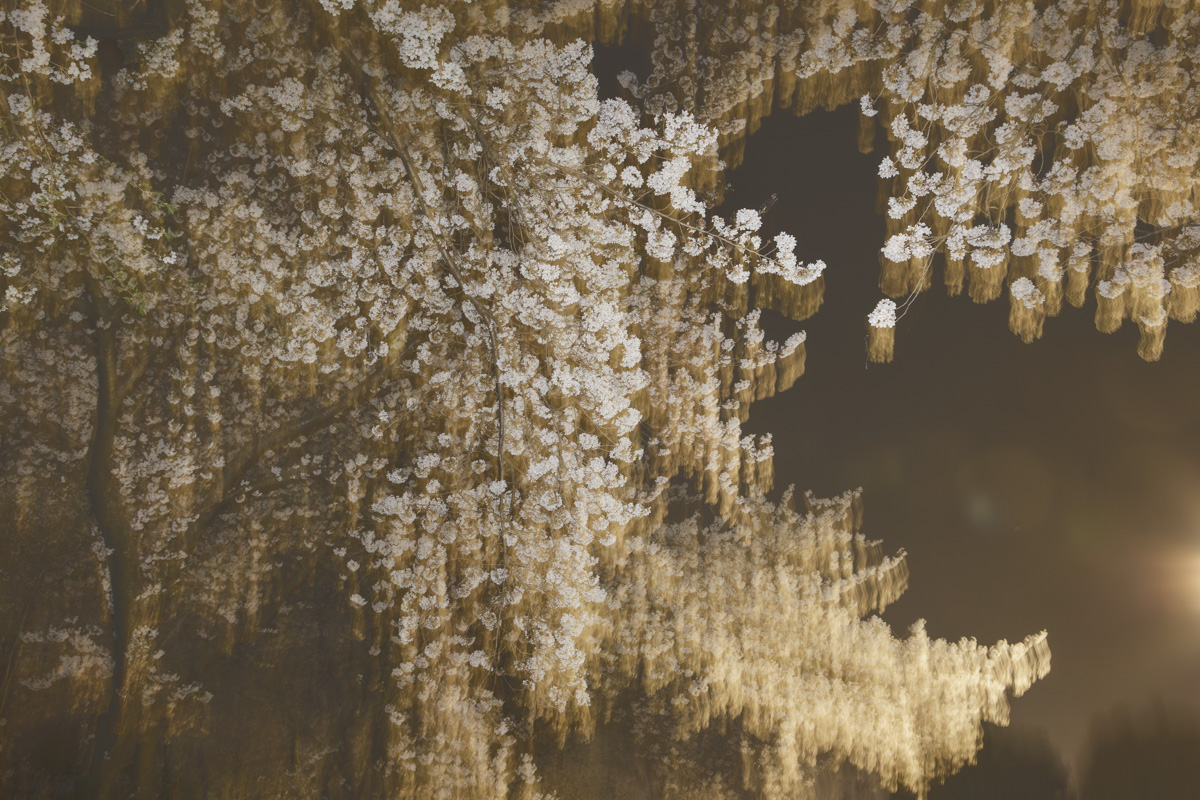
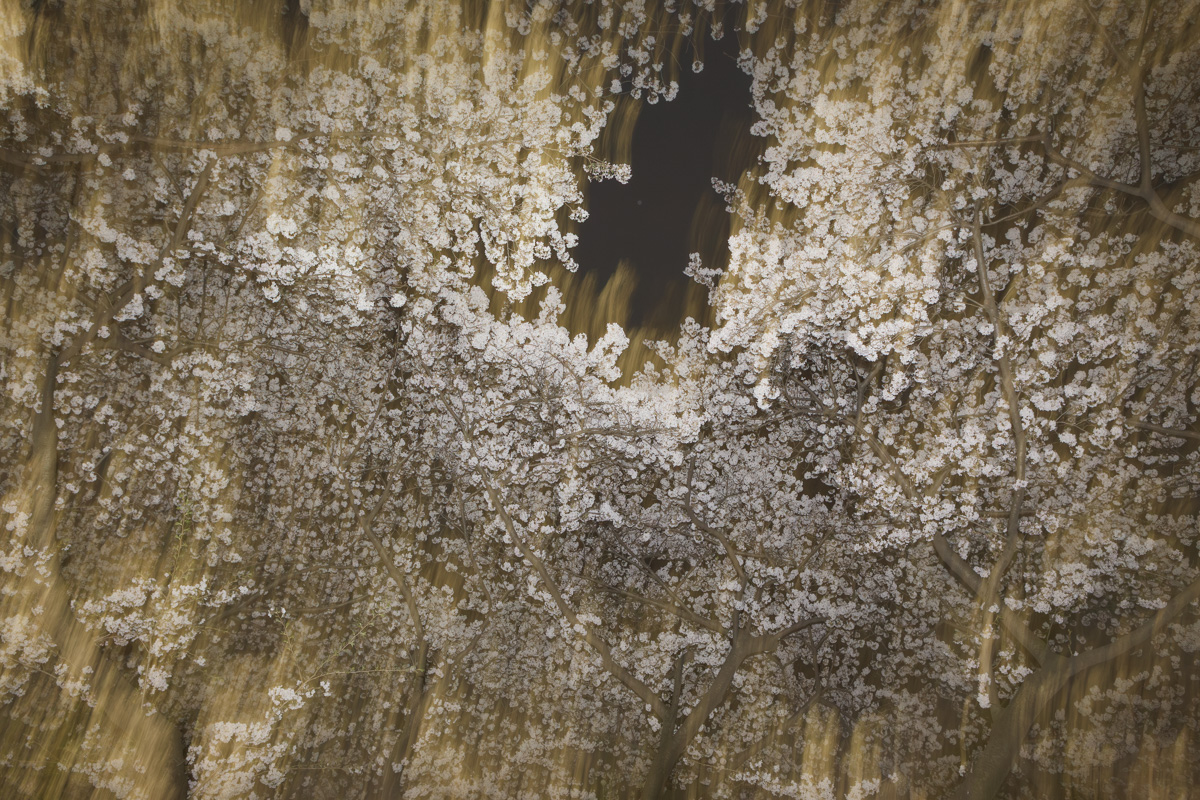
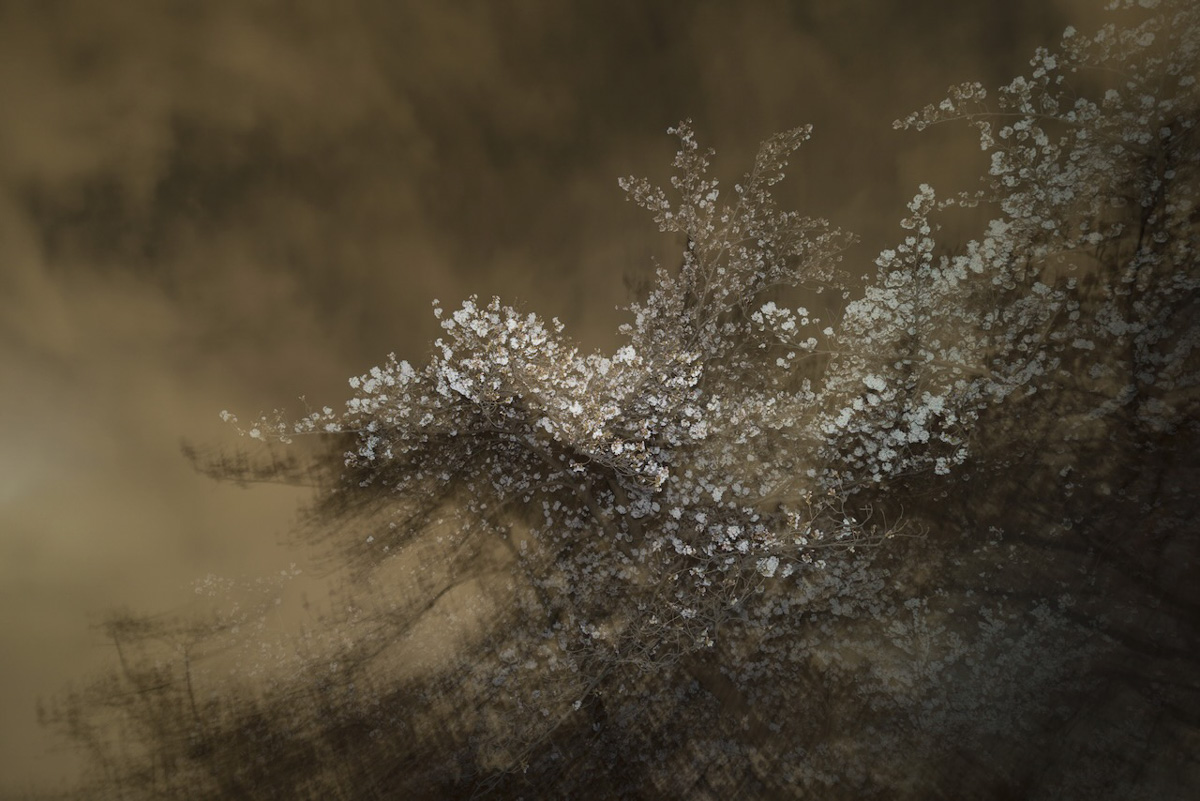
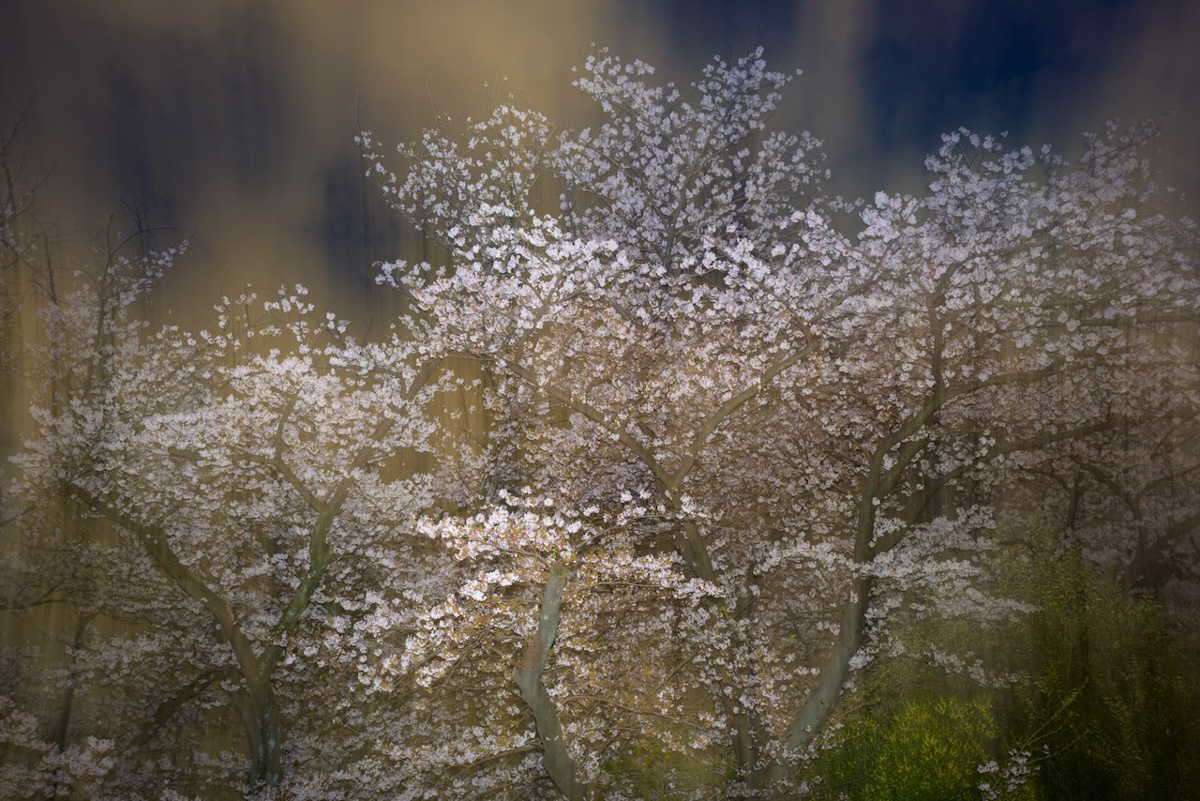
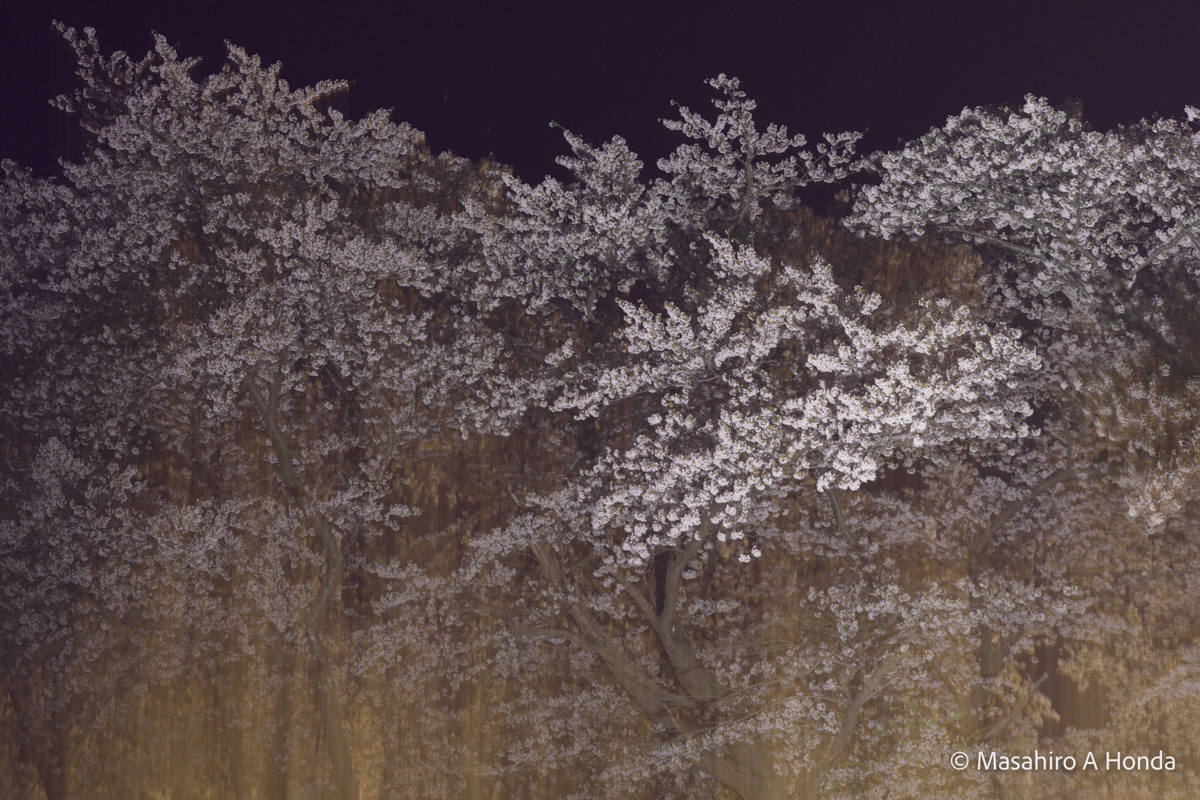
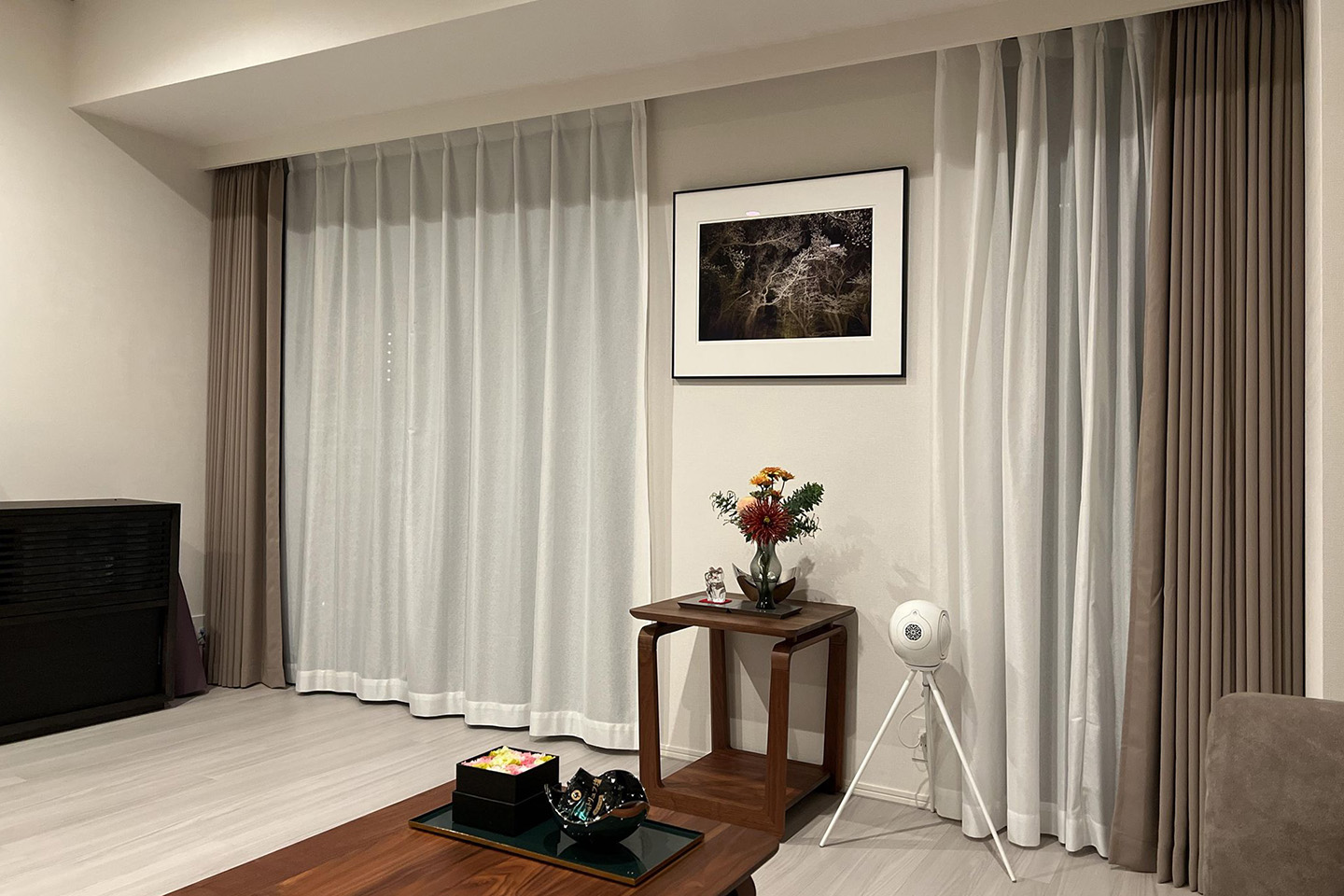
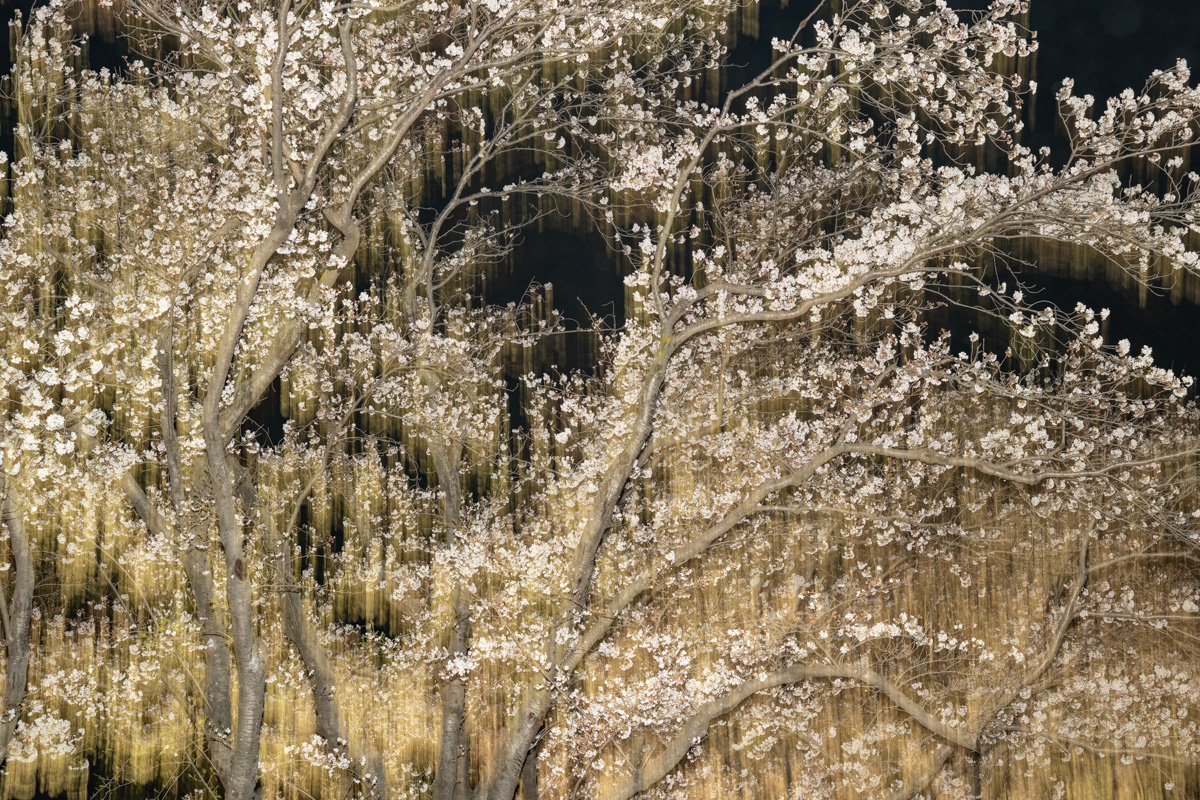
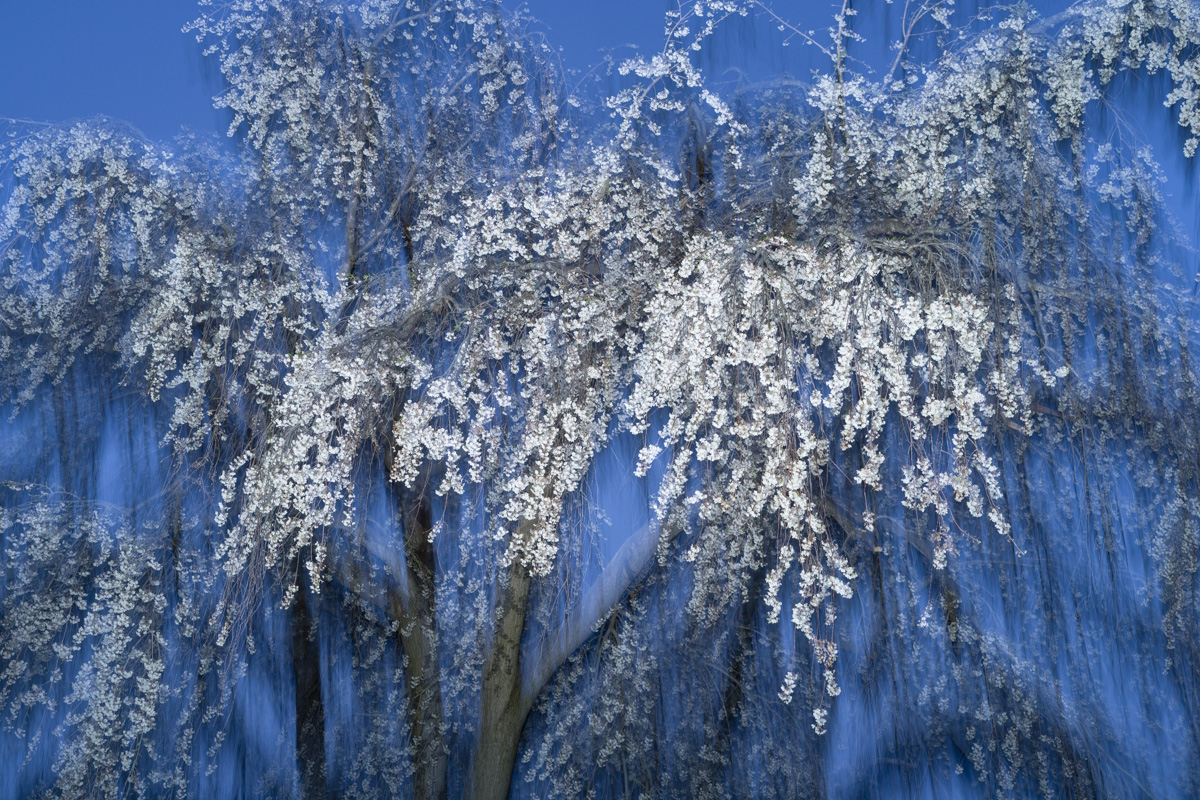
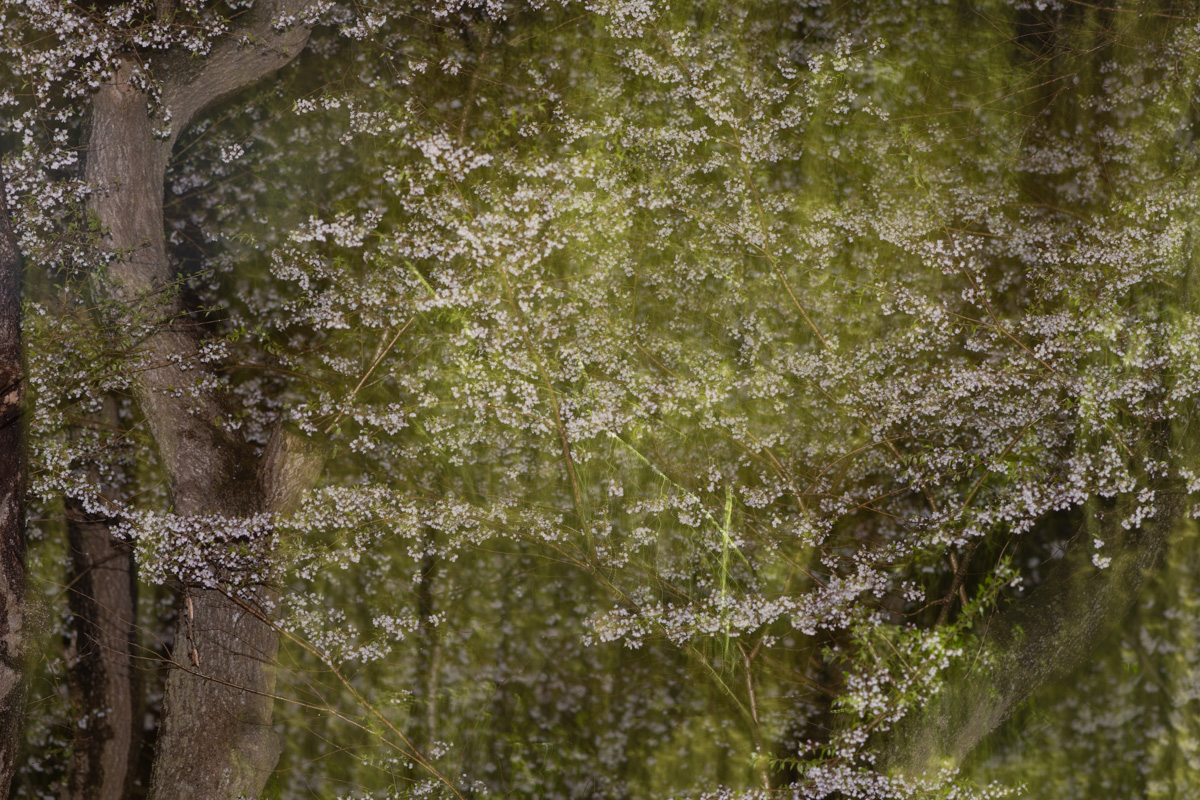
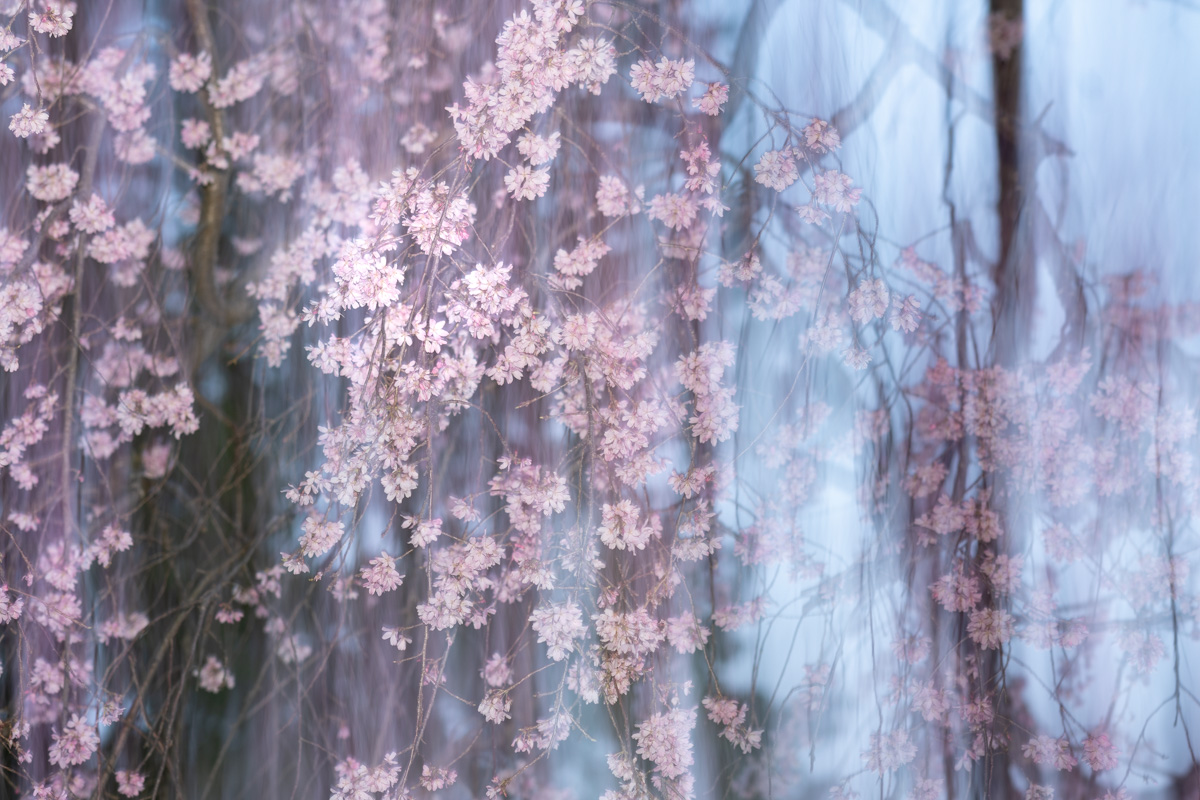
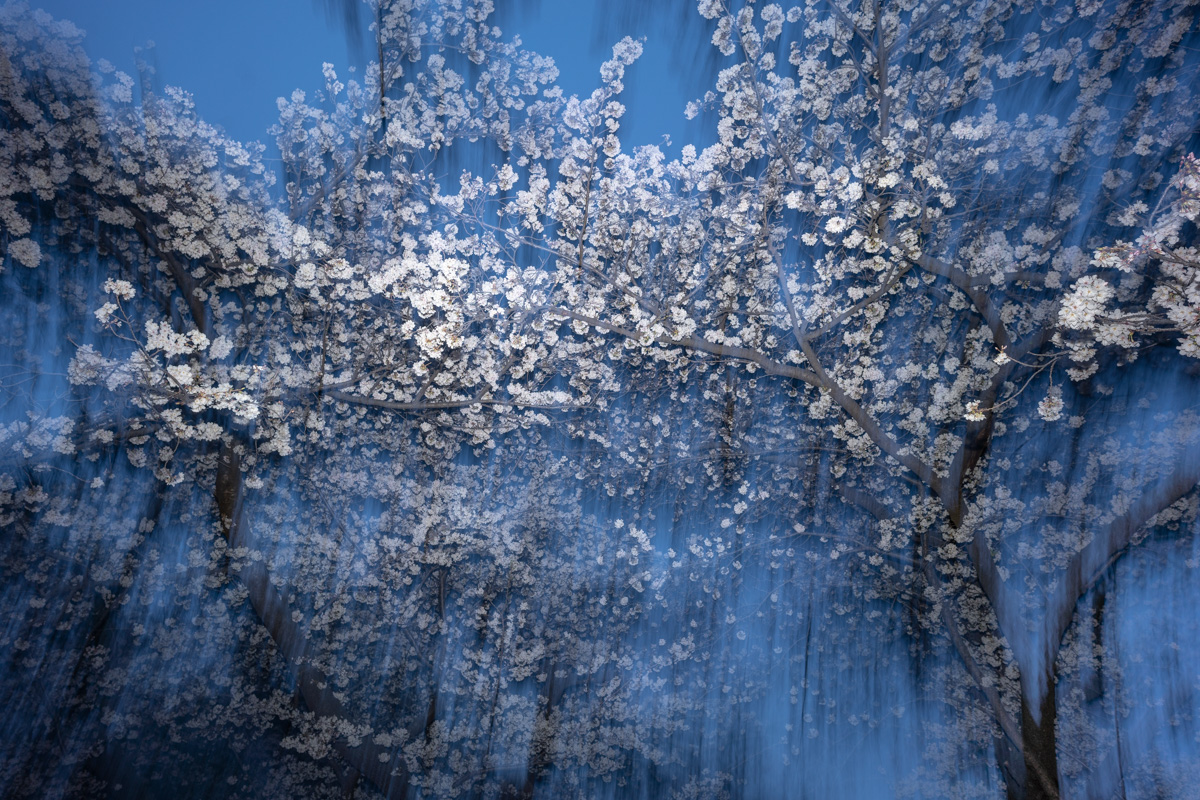
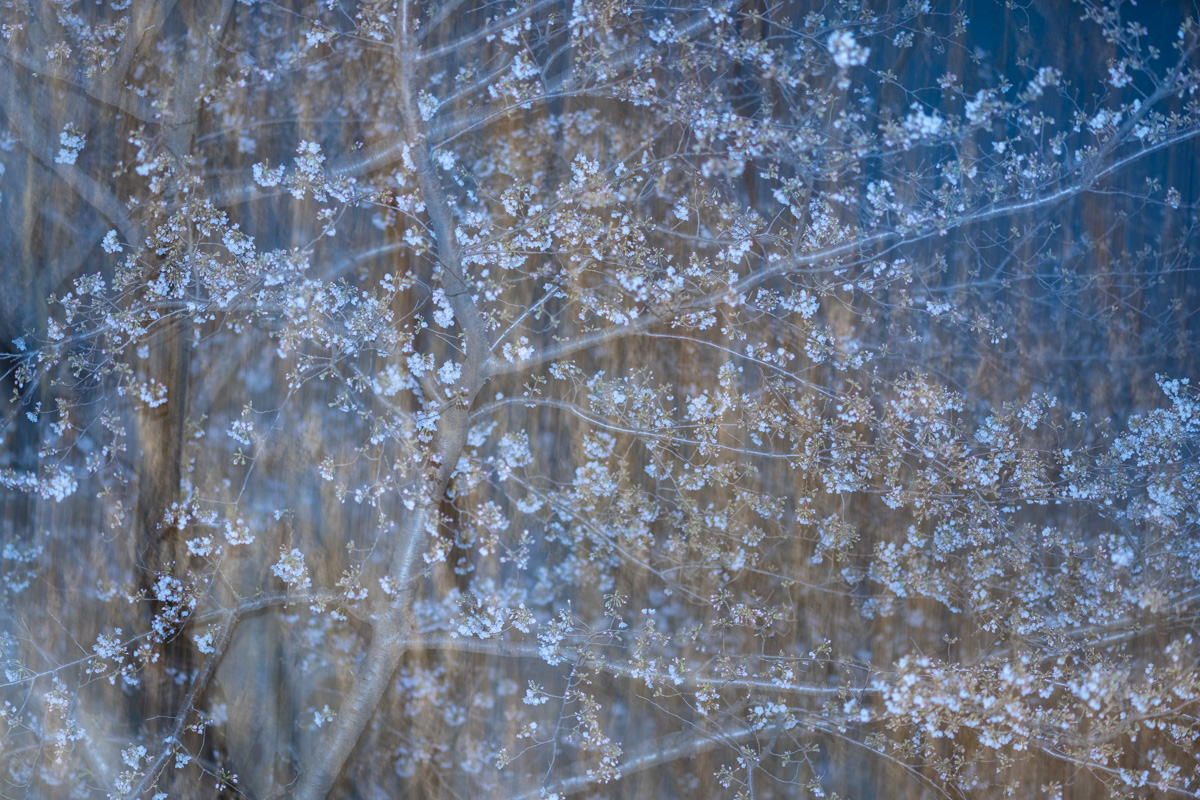
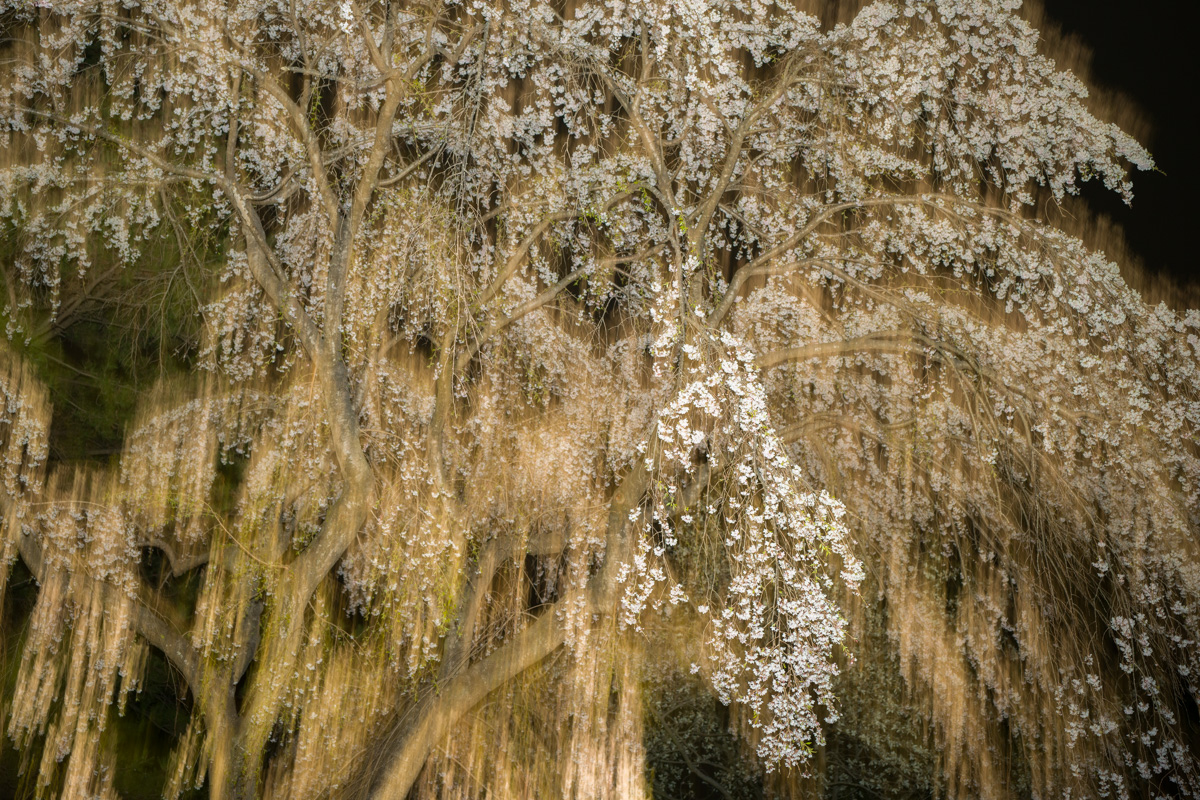
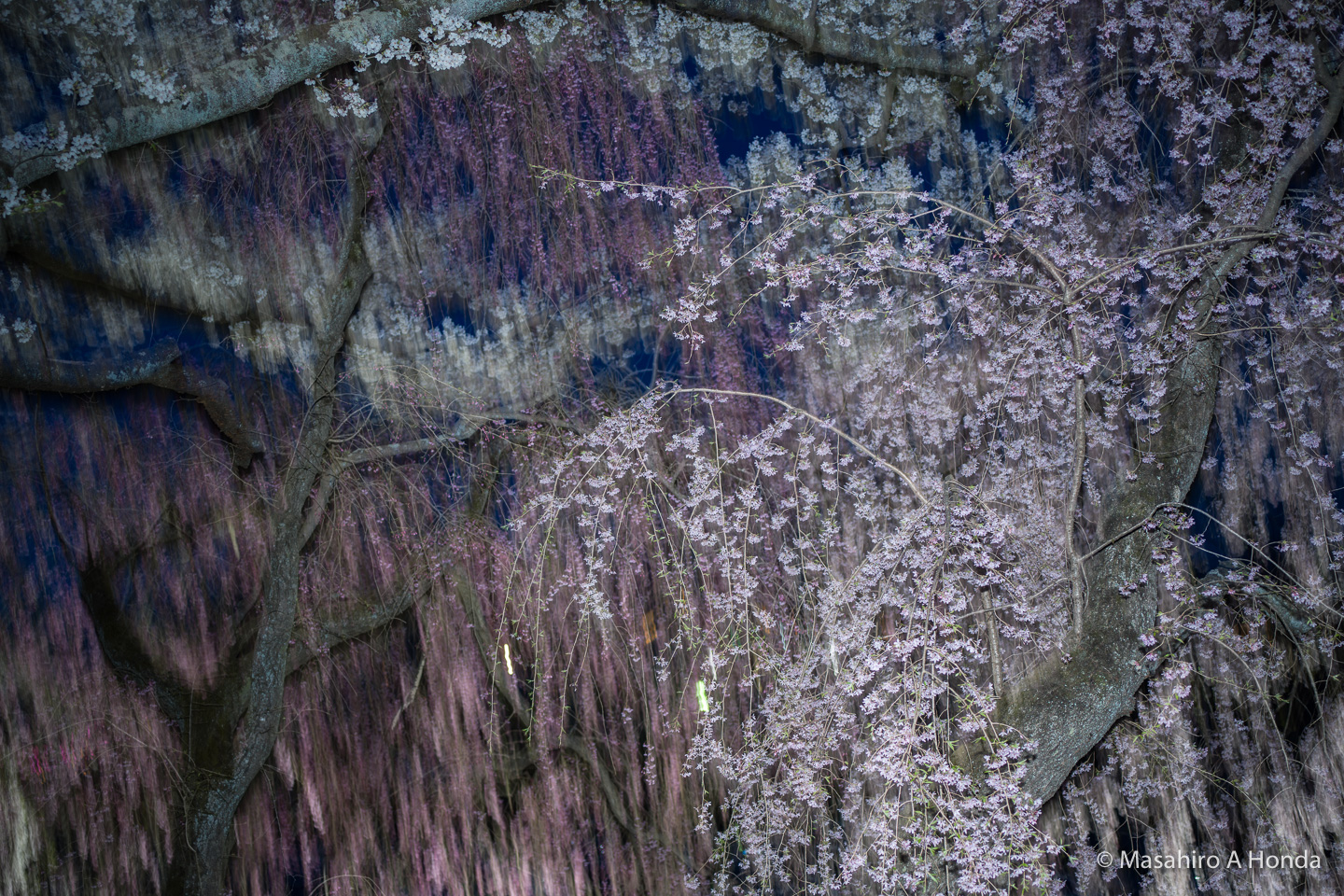
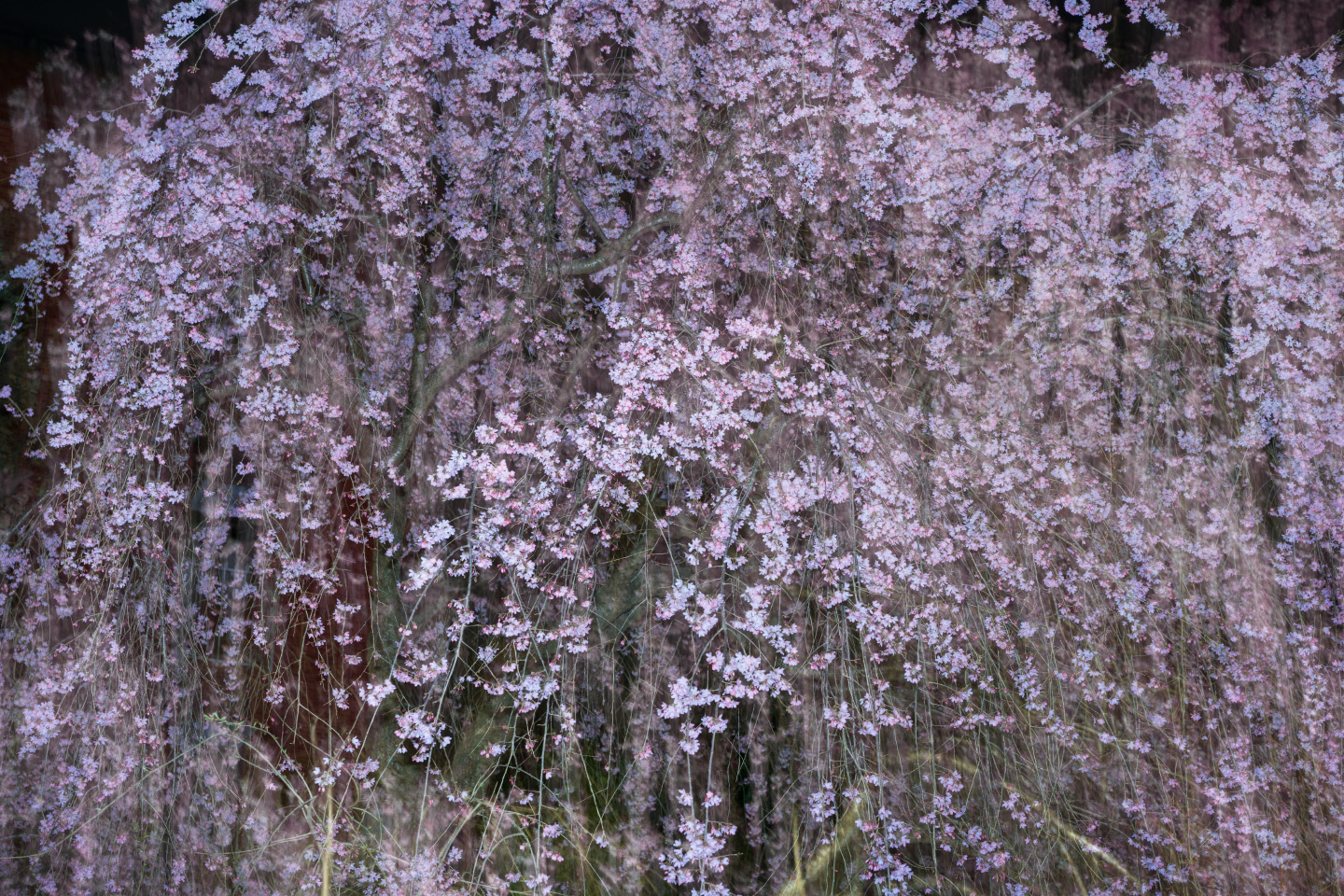
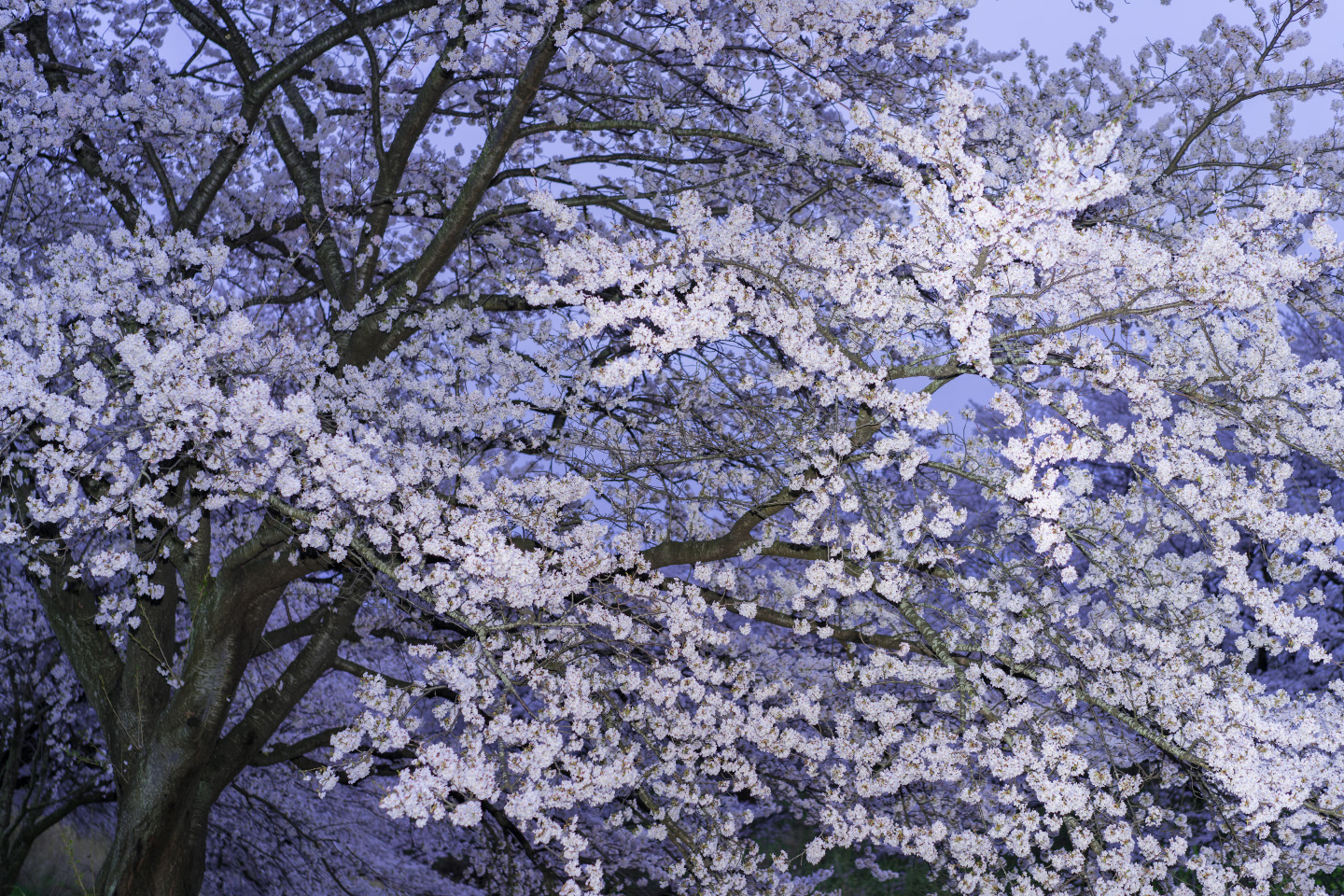
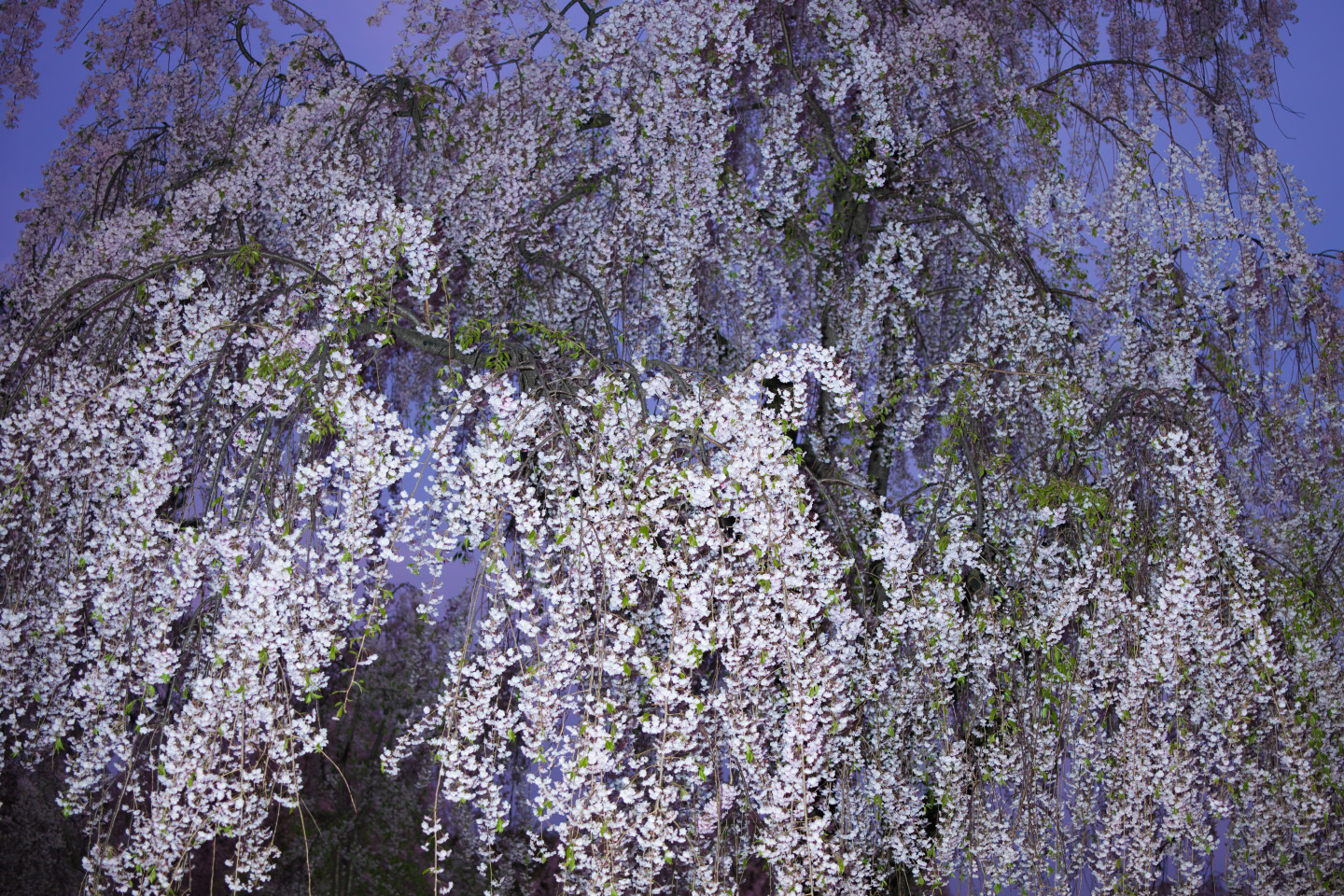
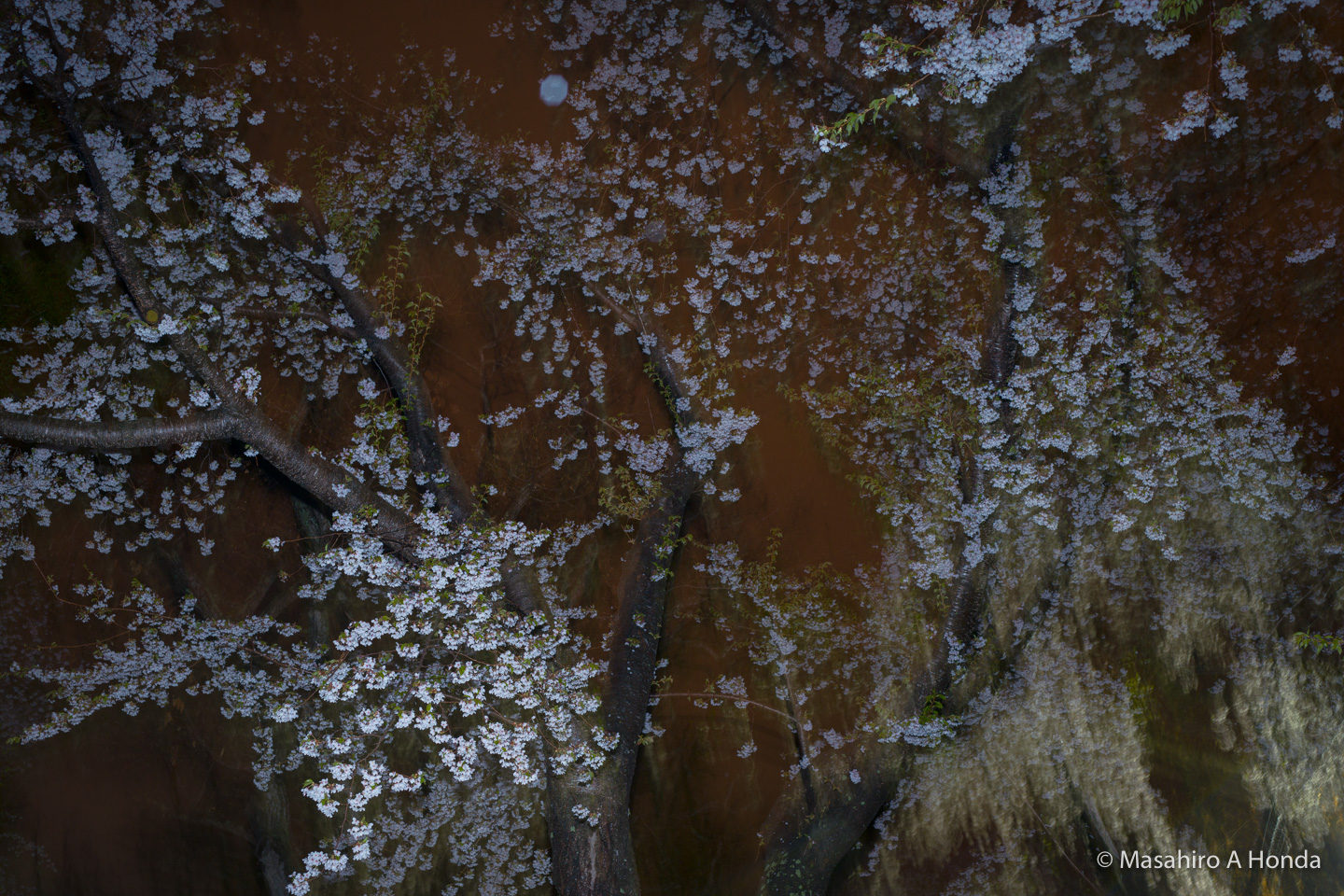
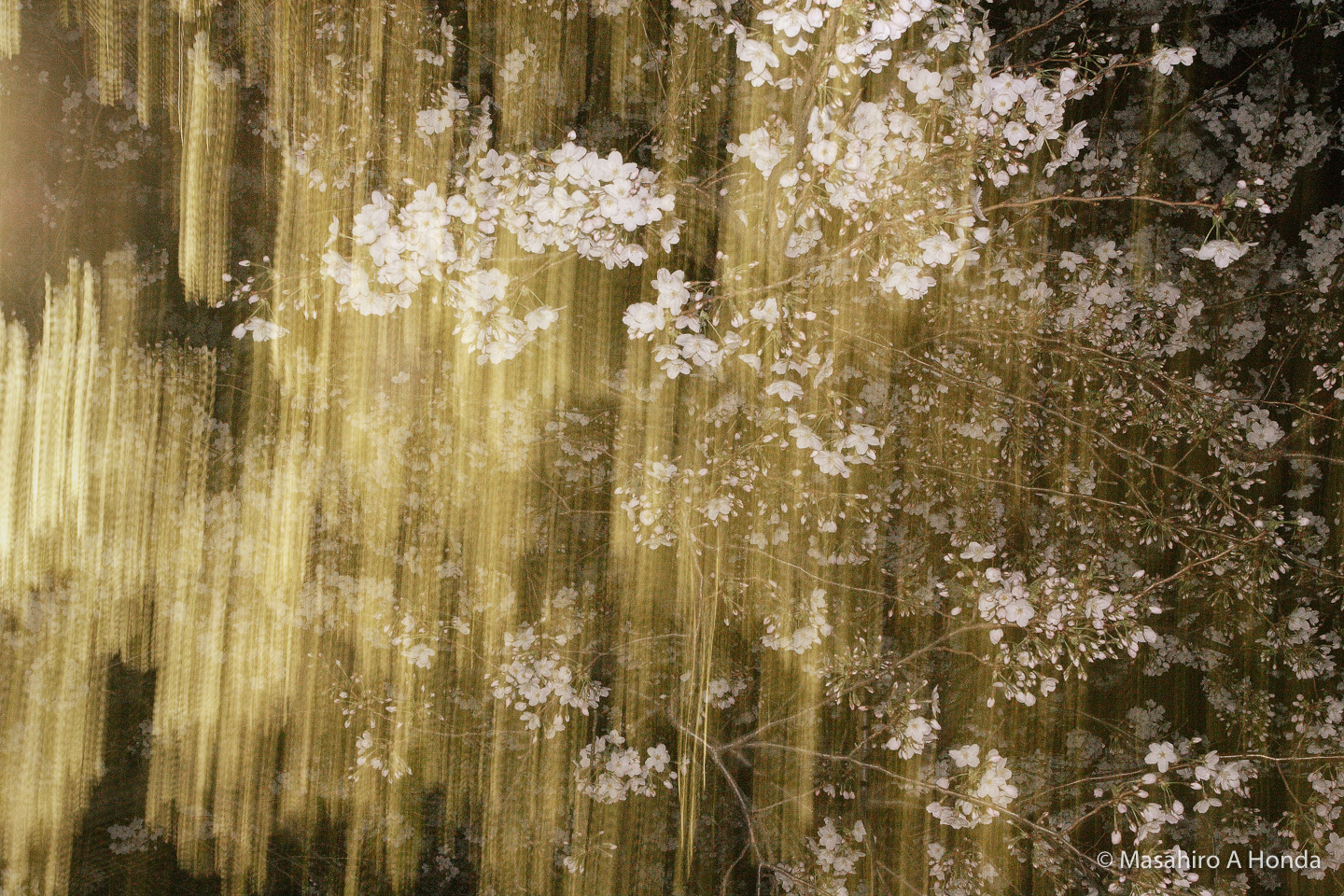
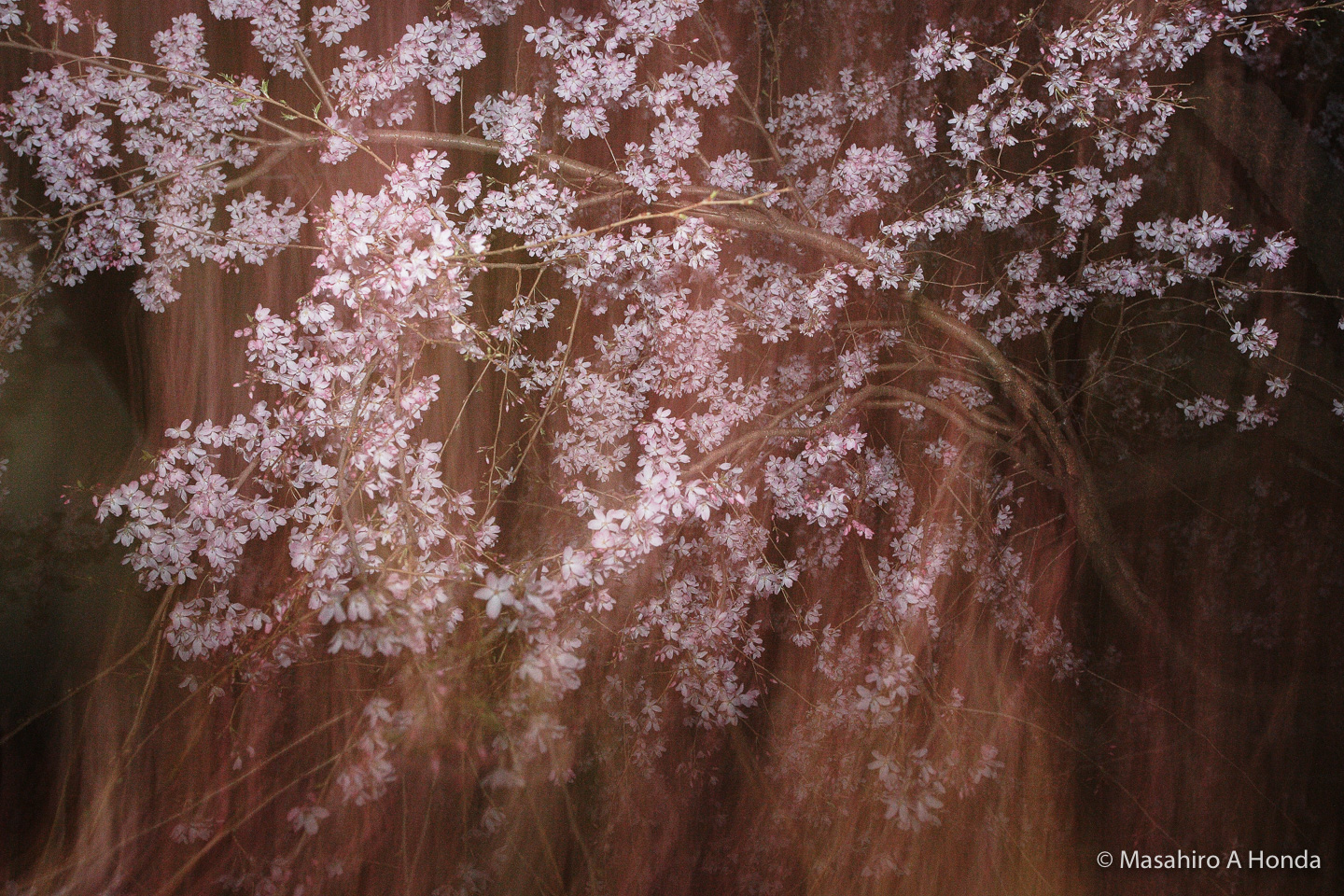
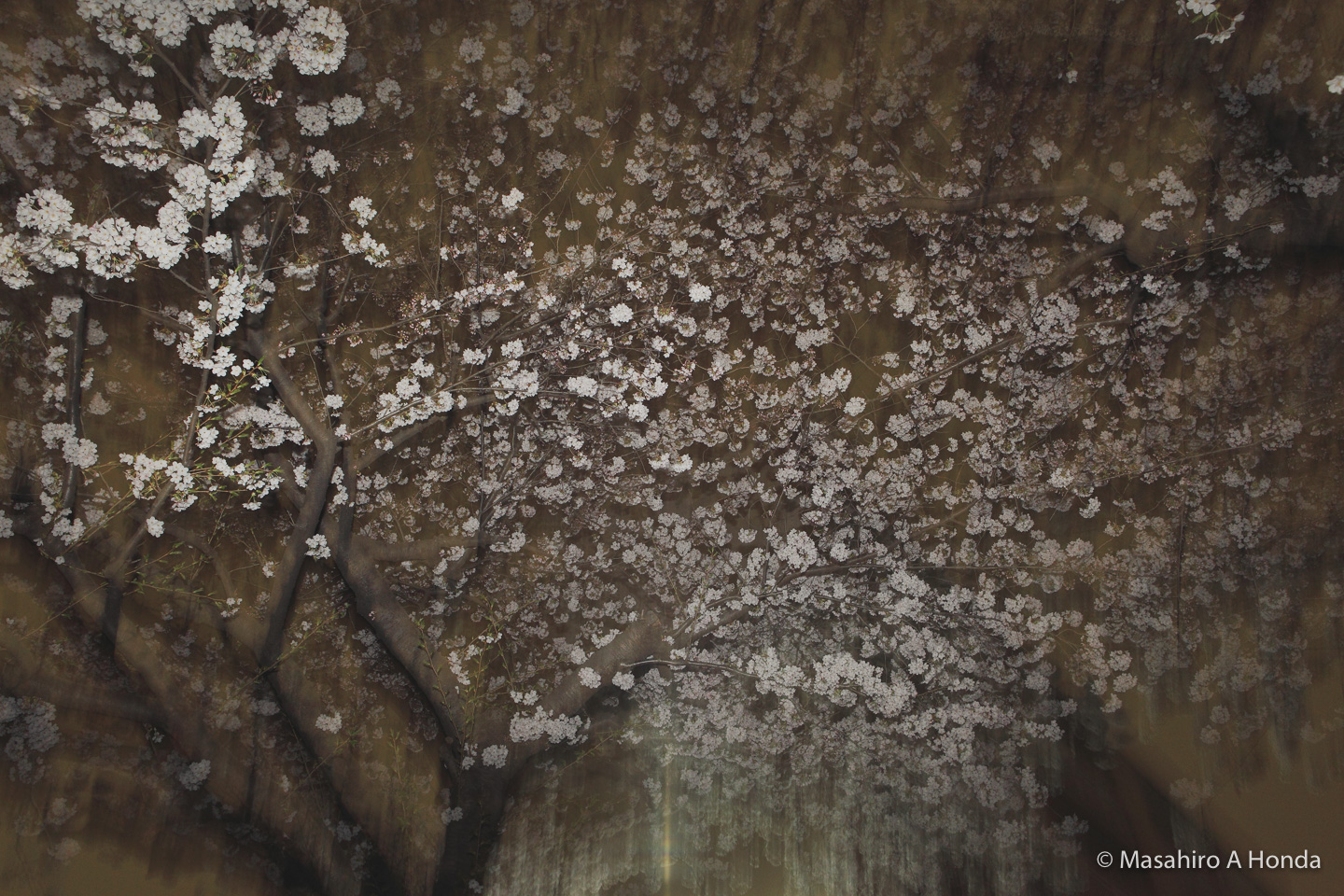
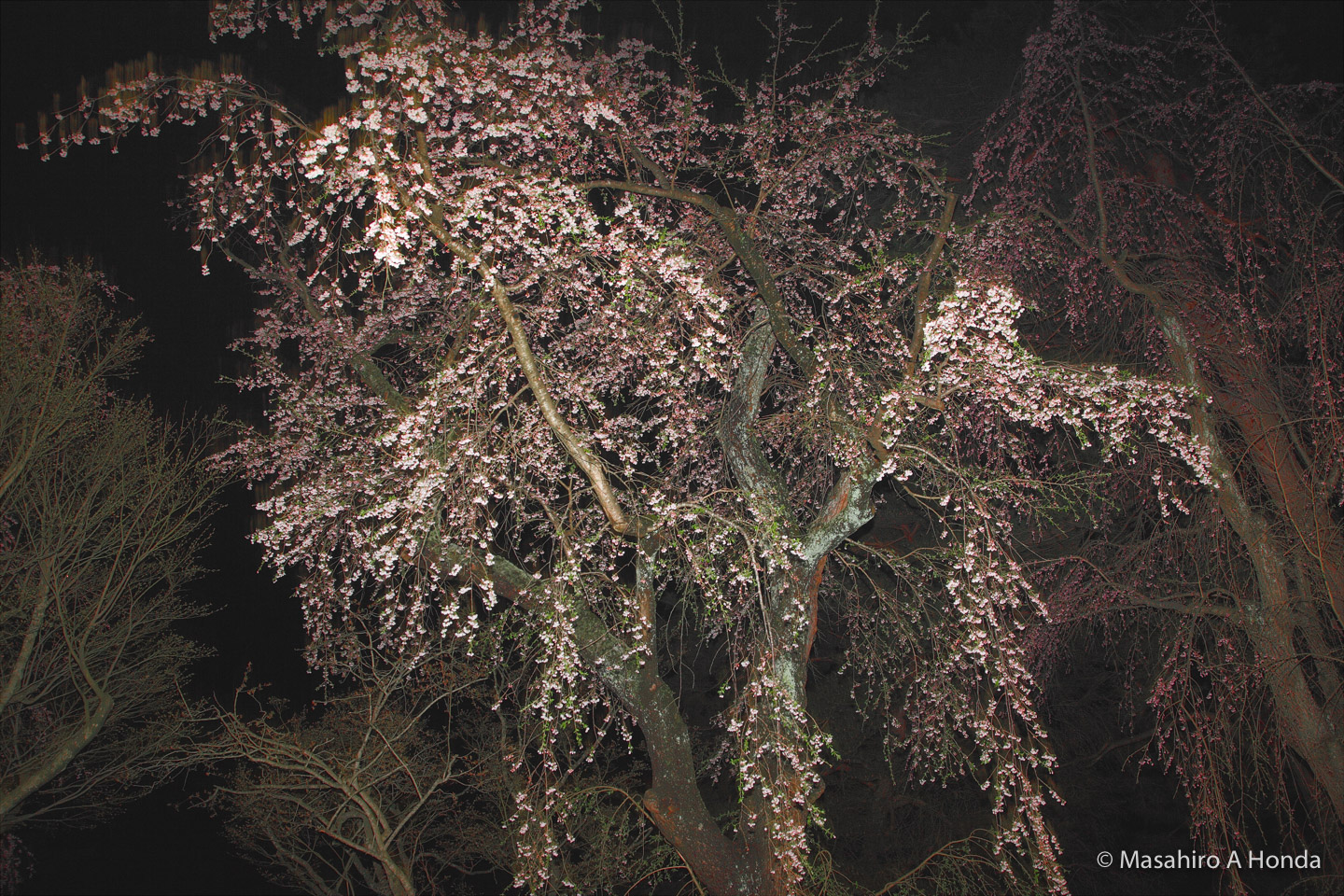
Many cherry blossoms bloom all at once, scatter, and eventually reach the end of their lifespan as trees. Cherry blossoms have symbolized Japanese aesthetic sensibilities and views on life since ancient times, embodying core Japanese cultural values such as "mono no aware" (the pathos of things) and "mujōkan" (the transience of life). They appear in many artistic expressions including waka poetry, haiku, and paintings, shaping the standards of Japanese beauty.
Rather than perceiving cherry blossoms as purely "natural" beauty, I strongly sense in them a beauty that exists alongside people — a beauty born from the human hand. Somei Yoshino, the most iconic cherry blossom, is said to have spread through a reproduction technique called grafting. Indeed, modern cherry trees are products of human intervention — selective breeding, planting plans, management techniques — cultivated together with human feelings and intentions.
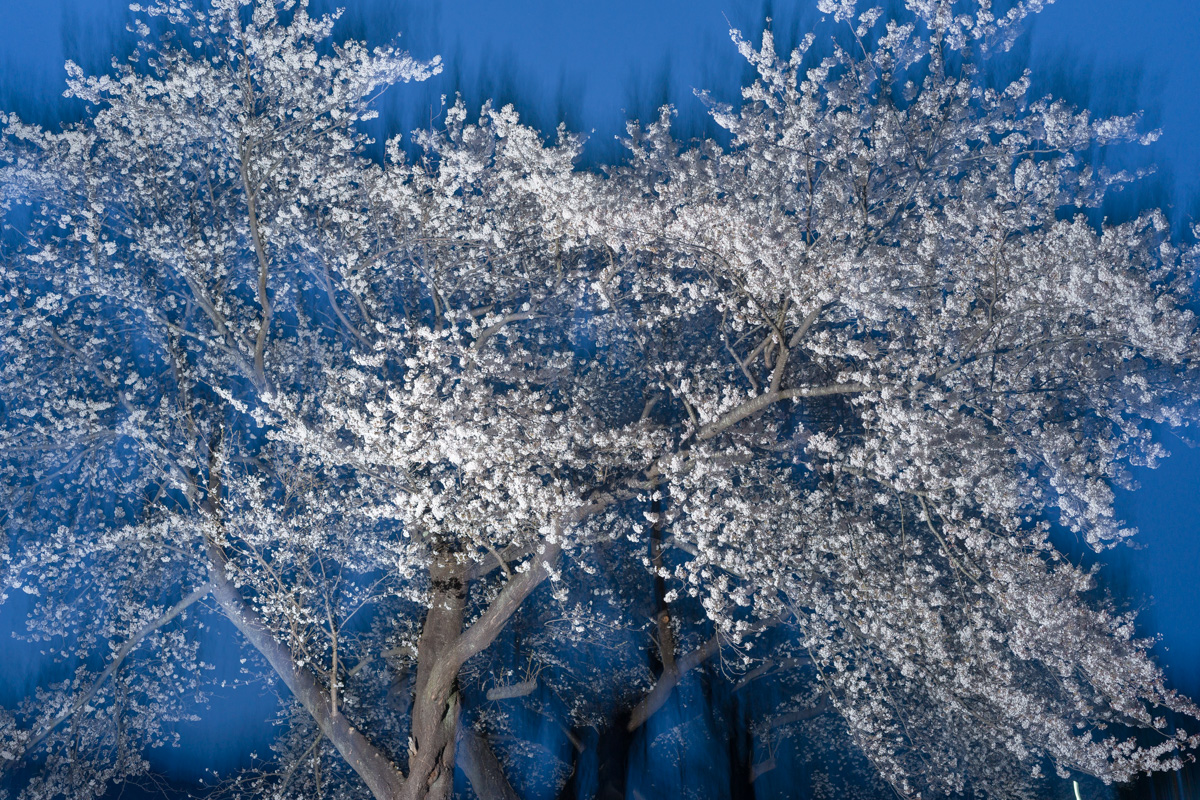
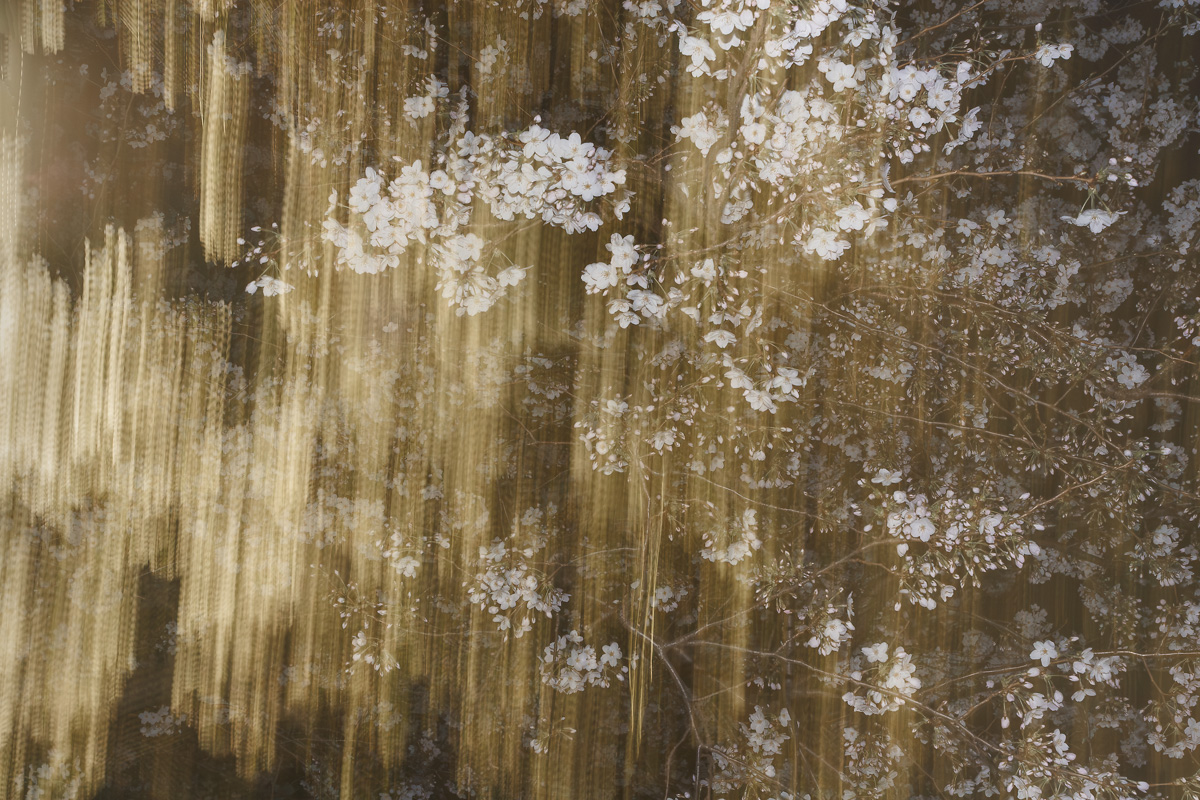
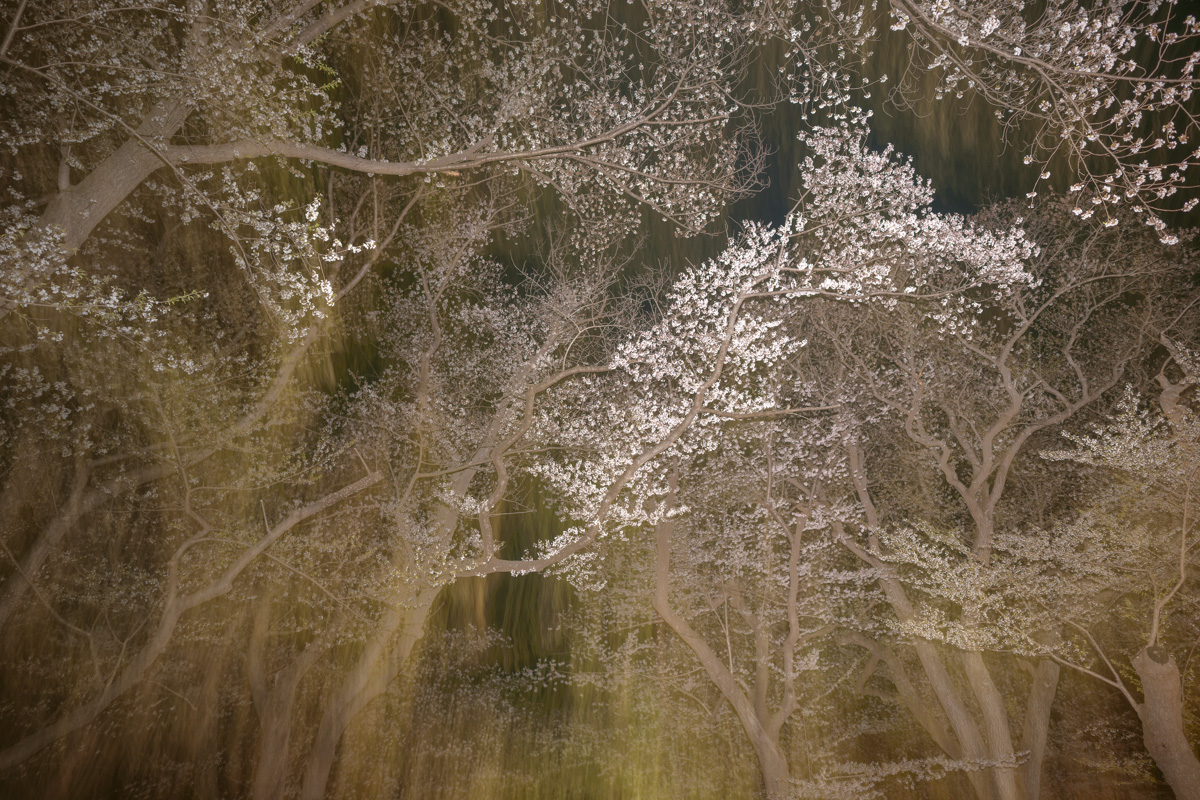
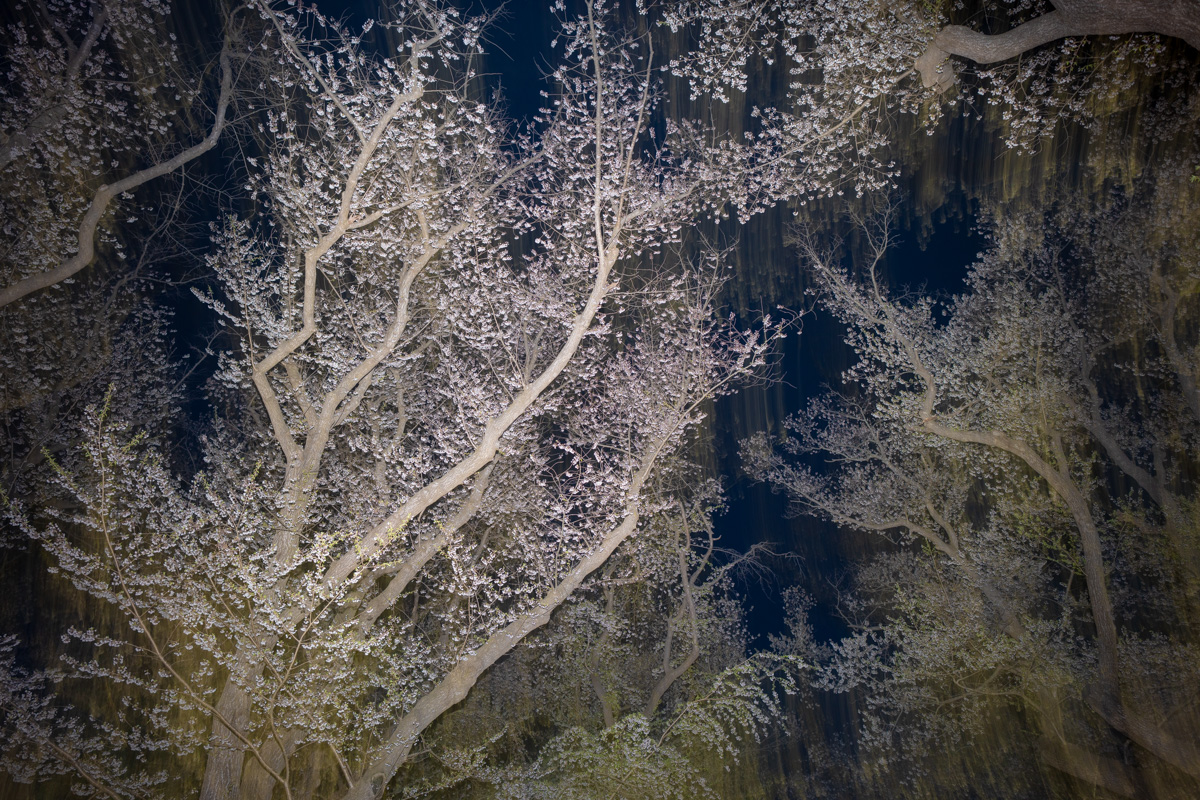
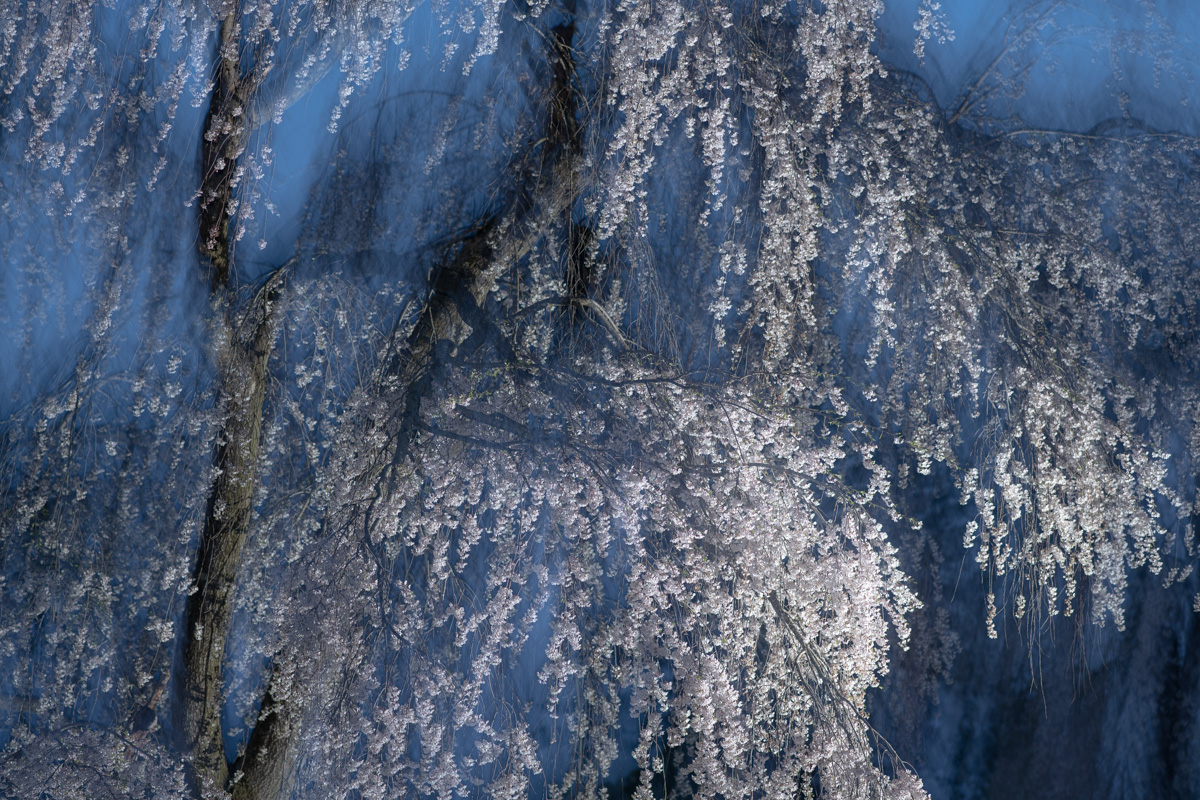
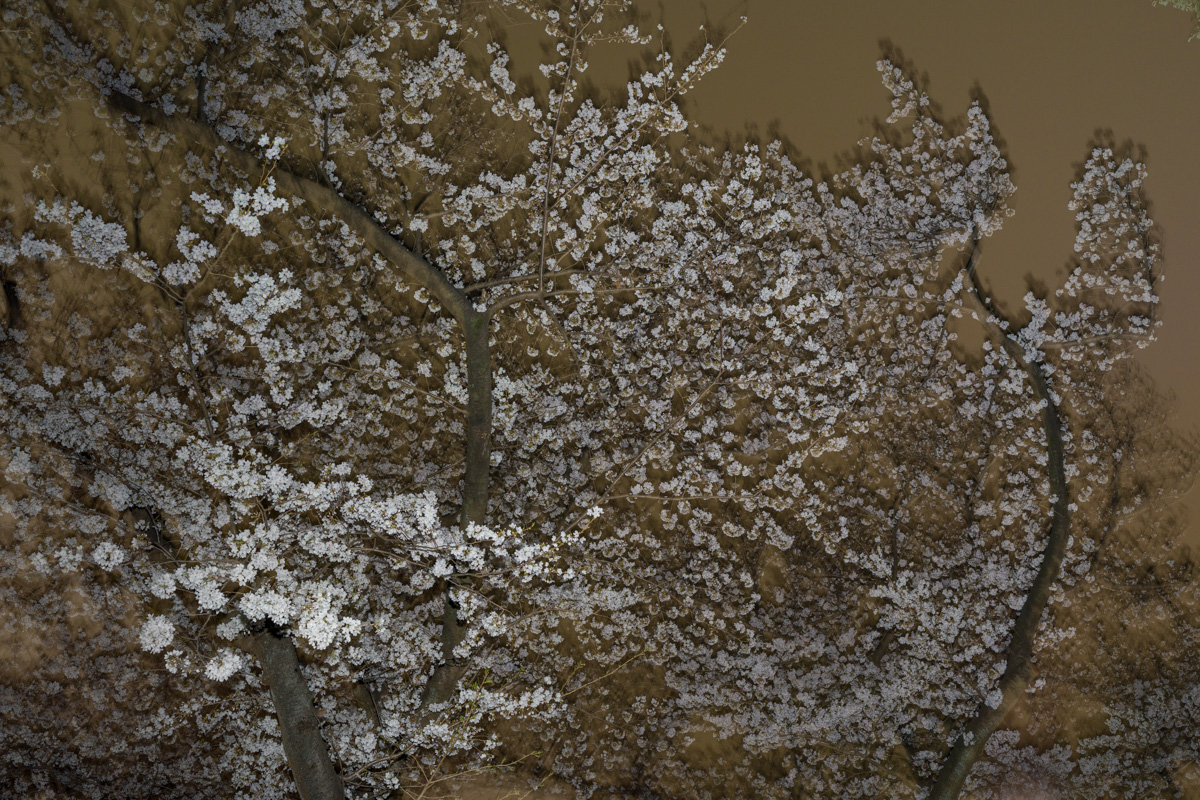
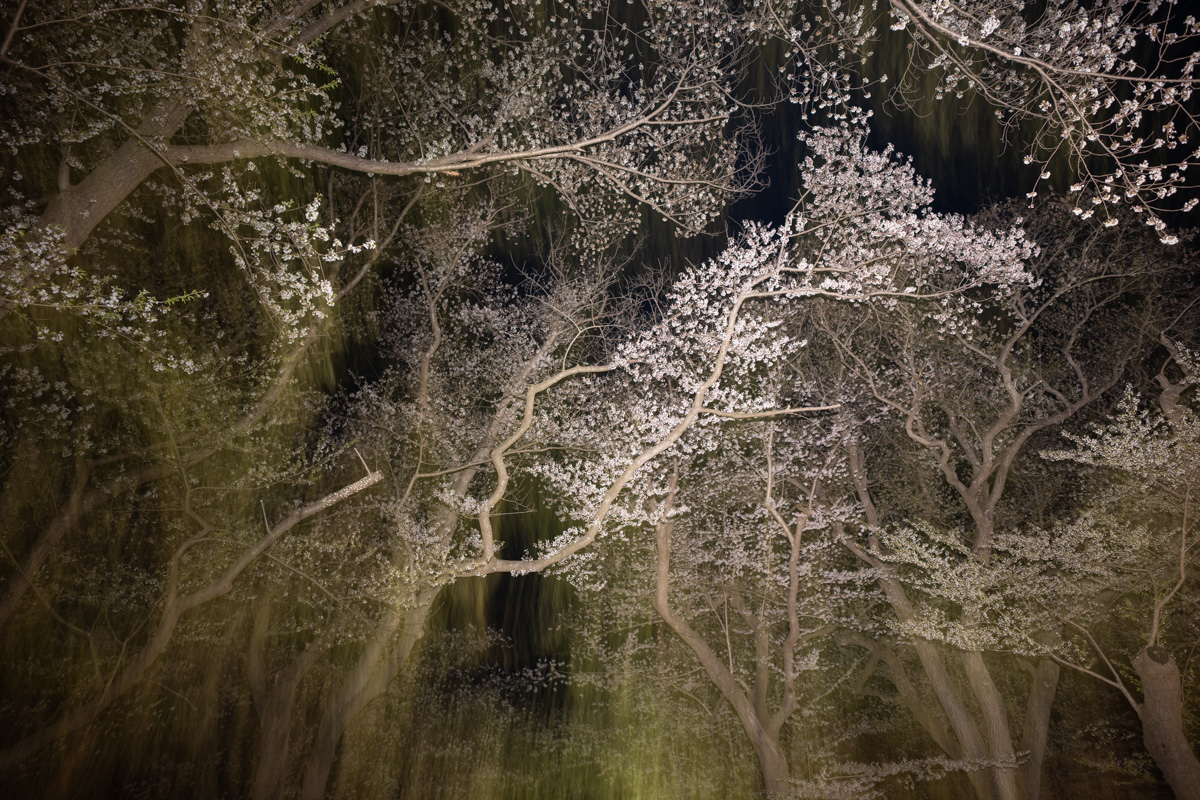
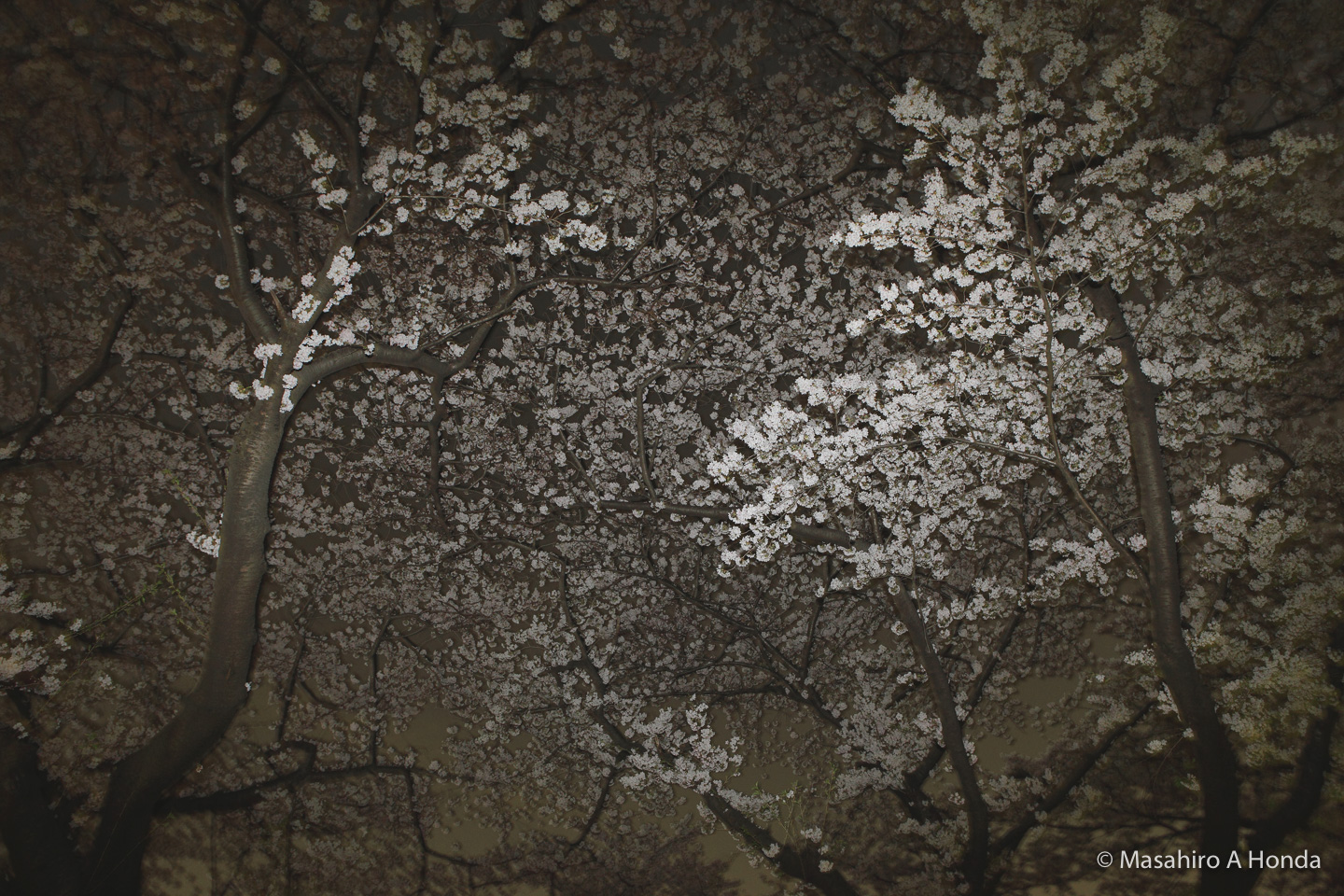
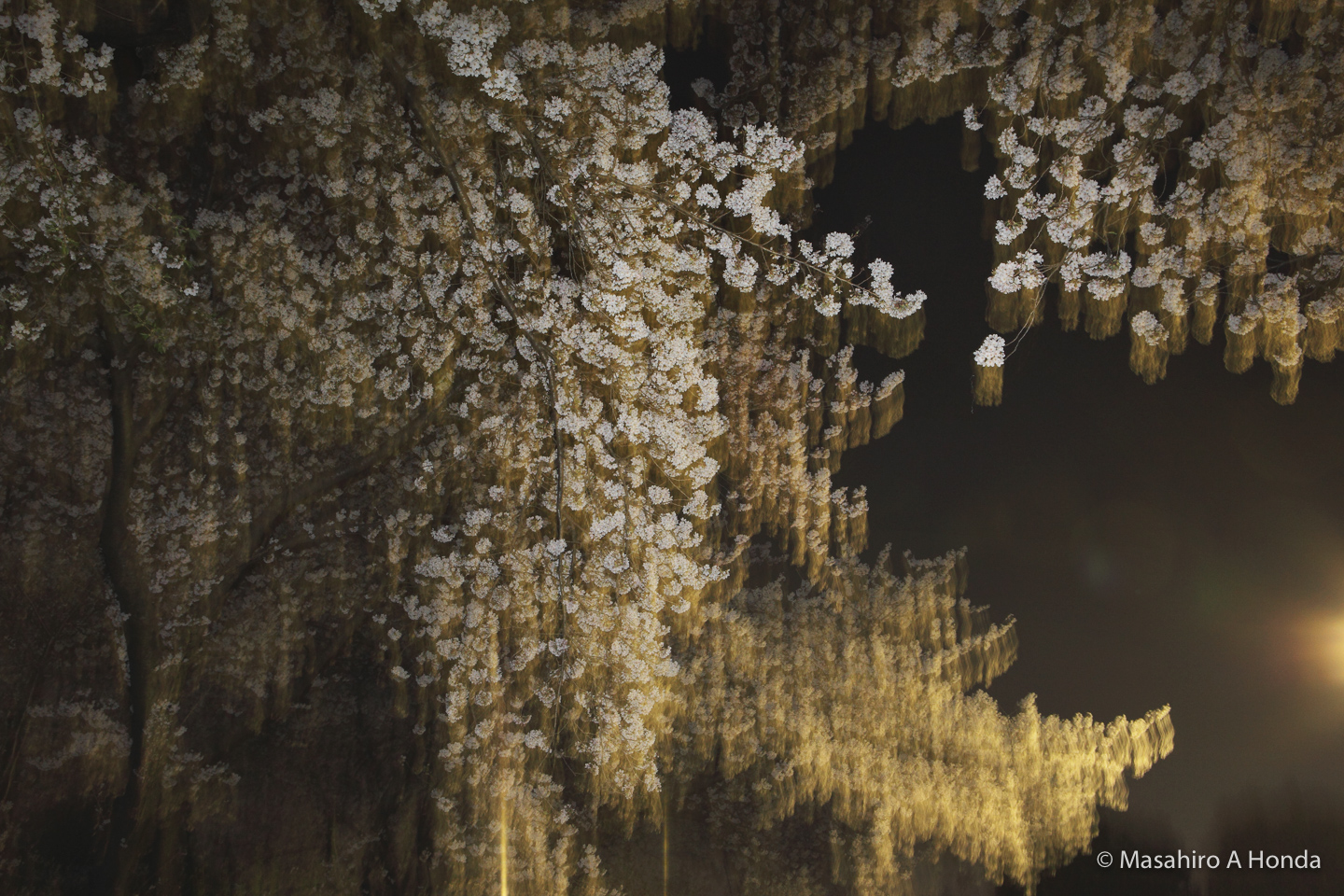
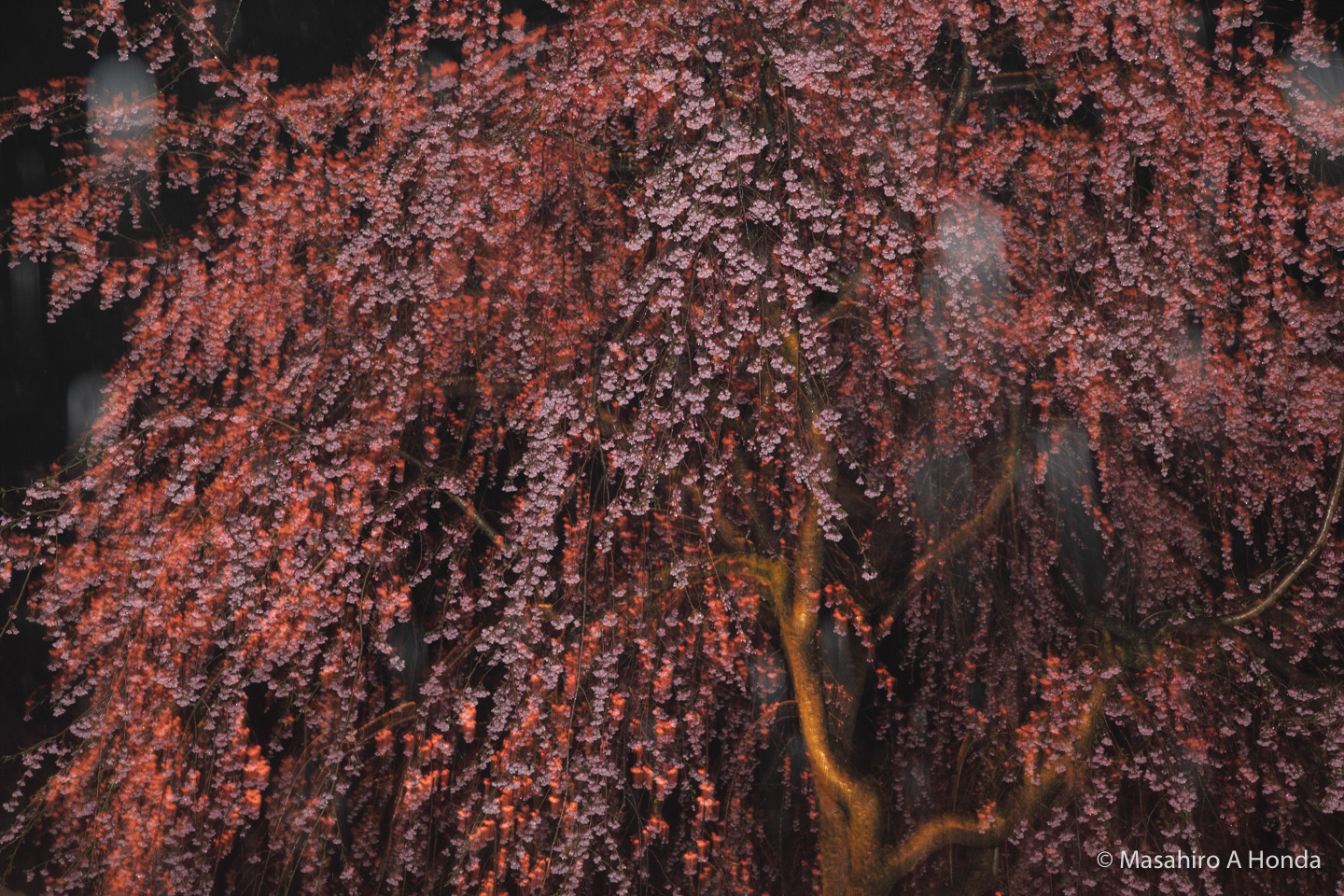
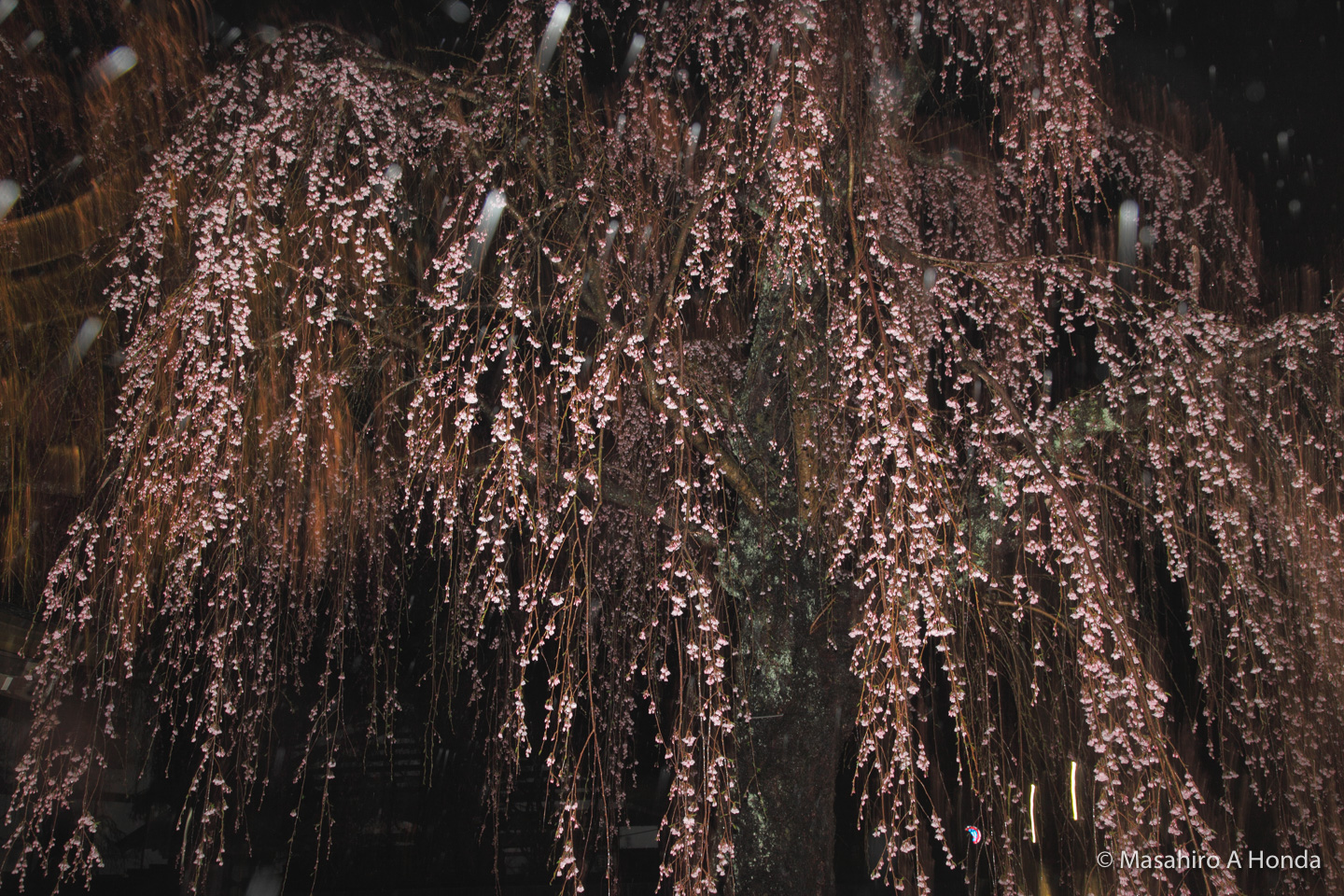
The phrase "in a flash" in the title means "in an instant." It expresses the ephemerality of cherry blossoms while also carrying the meaning of blossoms brought to light by a photographic flash — an artificial light. This is my own approach to the fact that the cherry blossom, as a presence, is constituted by an artificial, human-shaped beauty. The approach of drawing out natural beauty through the skillful use of technology can itself be seen as one aspect of contemporary Japanese culture, where tradition and innovation coexist.
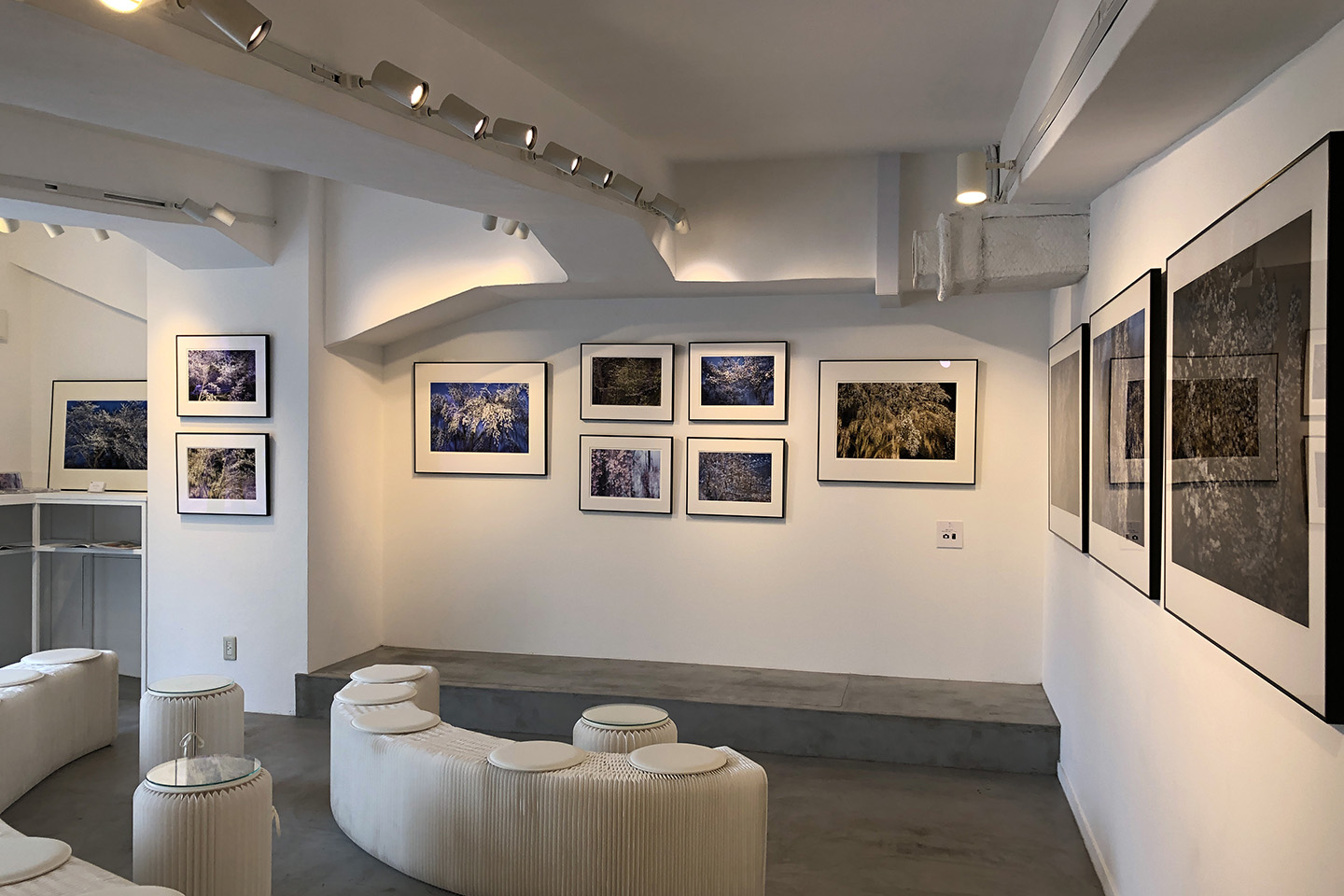
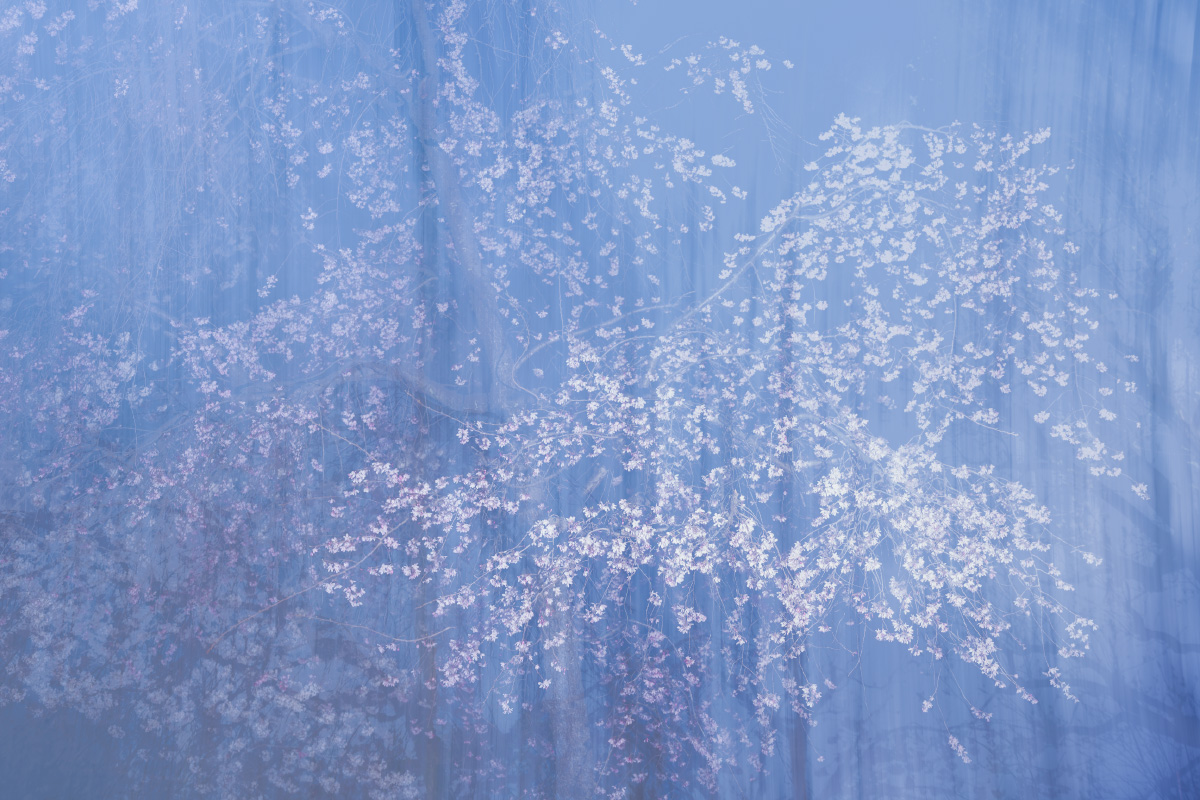
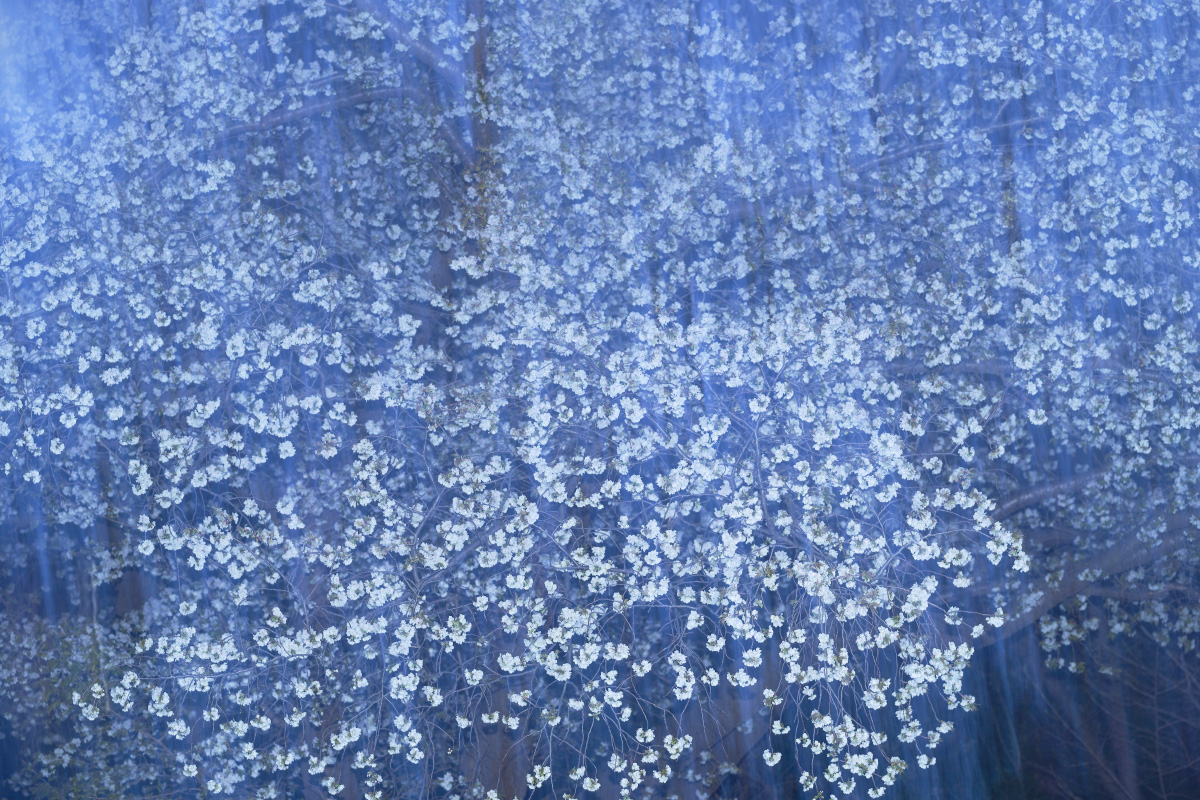
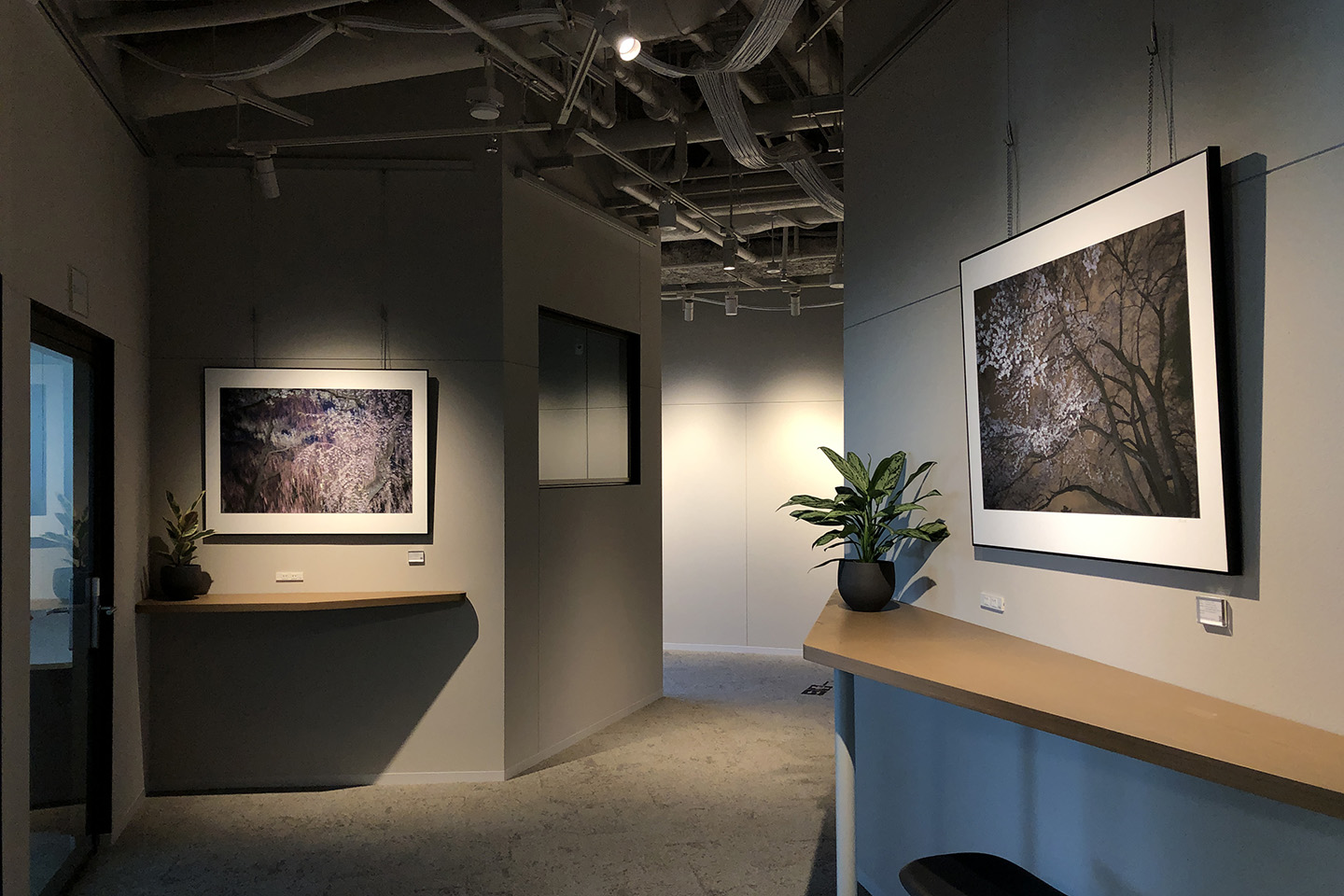
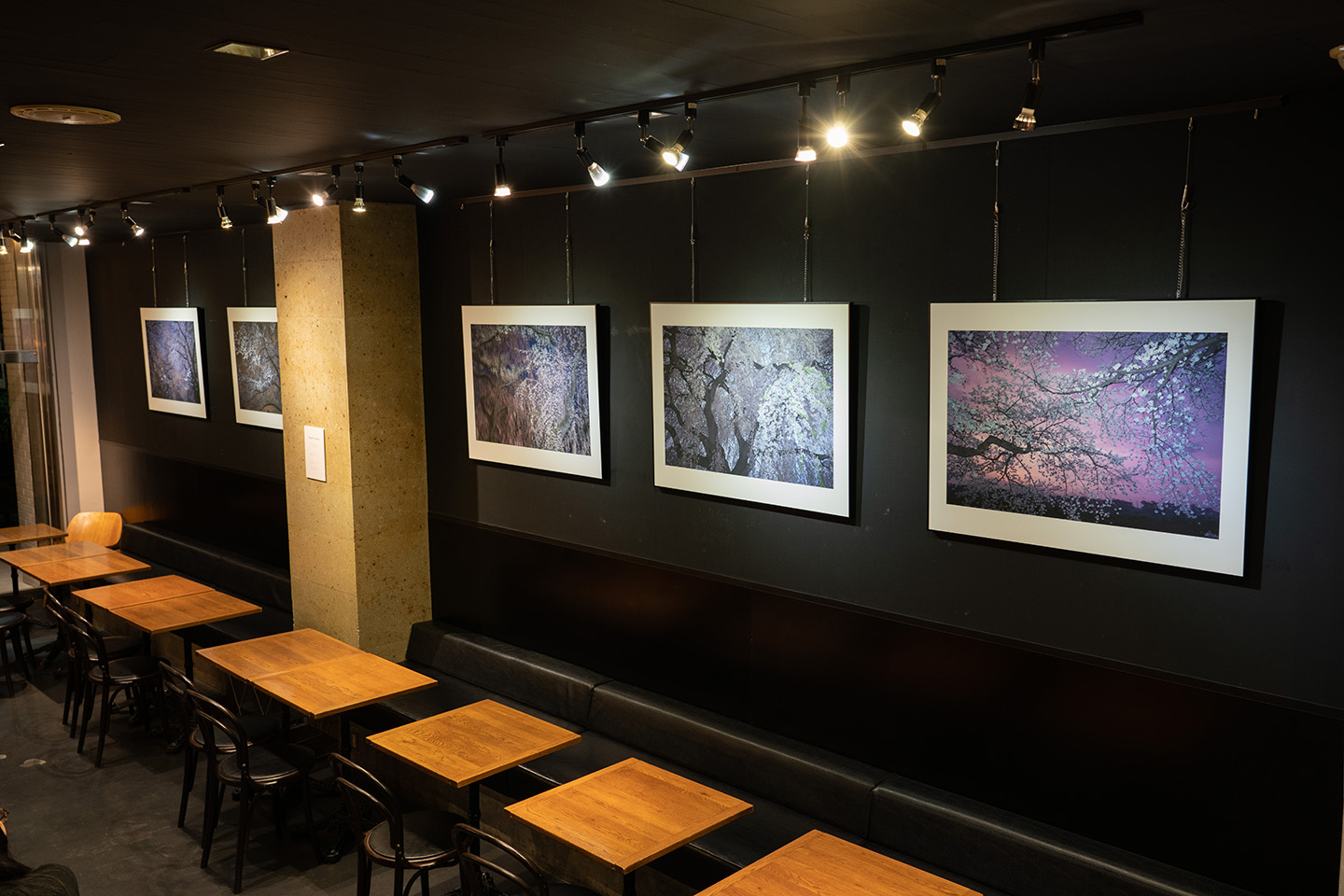
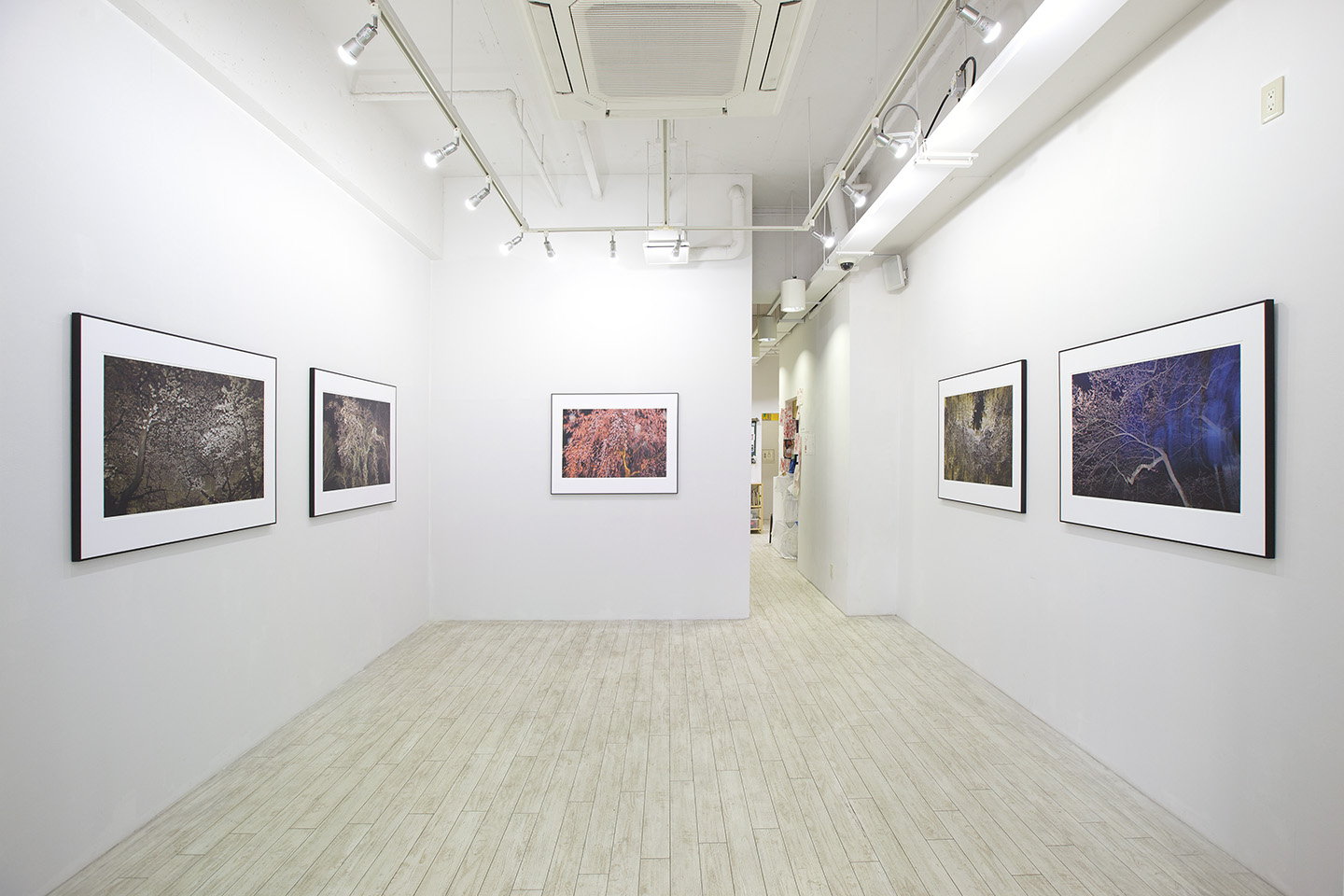
This work is often mistaken for a painting — but step a little closer, and you will be surprised by the rich detail that a modern high-resolution digital camera can capture. Because these are digital photographs, some image editing has been applied; but they are largely created through techniques at the moment of shooting — adjustments of time of day, direction, the way light is cast, aperture, shutter speed, and so on. No compositing or AI has been used whatsoever.
(August 2026)
多くの桜は一斉に咲いて散り、やがて木としての寿命を迎えます。桜は古来より日本人の美意識や生命観を象徴し、「もののあわれ」や「無常観」といった日本文化の核心的な価値観を体現する存在です。和歌や俳句、絵画など多くの芸術表現にも登場し、日本的な美の規範を形作ってきました。
私は桜に対して、純粋な「自然」の美というよりも、人とともにある存在、人の手が加わった結果としての美を強く感じています。
代表的な桜であるソメイヨシノは、接ぎ木と呼ばれる複製技術として広まったといわれています。実際、現代の桜は品種改良や植樹計画、管理技術など人為的介入の産物であり、そこに人の思いや意図とともに育てられてきました。
タイトルにある”in a flash”とは、「一瞬の」という意味ですが、桜の儚さを表すとともに、撮影用のフラッシュ(人工の光)によって浮かび上がった桜という意味も込められています。これは、桜という存在が人為的(人工的)な美で成り立っていることに対する私なりのアプローチです。テクノロジーを駆使しながら自然美を引き出すアプローチは、伝統と革新が共存する現代日本文化の一側面とも言えます。
本作品は絵画とよく見間違えられますが、一歩近づくと、現代の高解像度のデジタルカメラがもたらす豊富なディティールに驚かされるはずです。デジタル写真による画像編集も多少は加えていますが、大半は撮影時の工夫、すなわち時間帯、方角、光のあて方、絞り、シャッタースピードなどの調整で出来上がっており、合成やAIなどは一切使っていません。
(2026年8月)
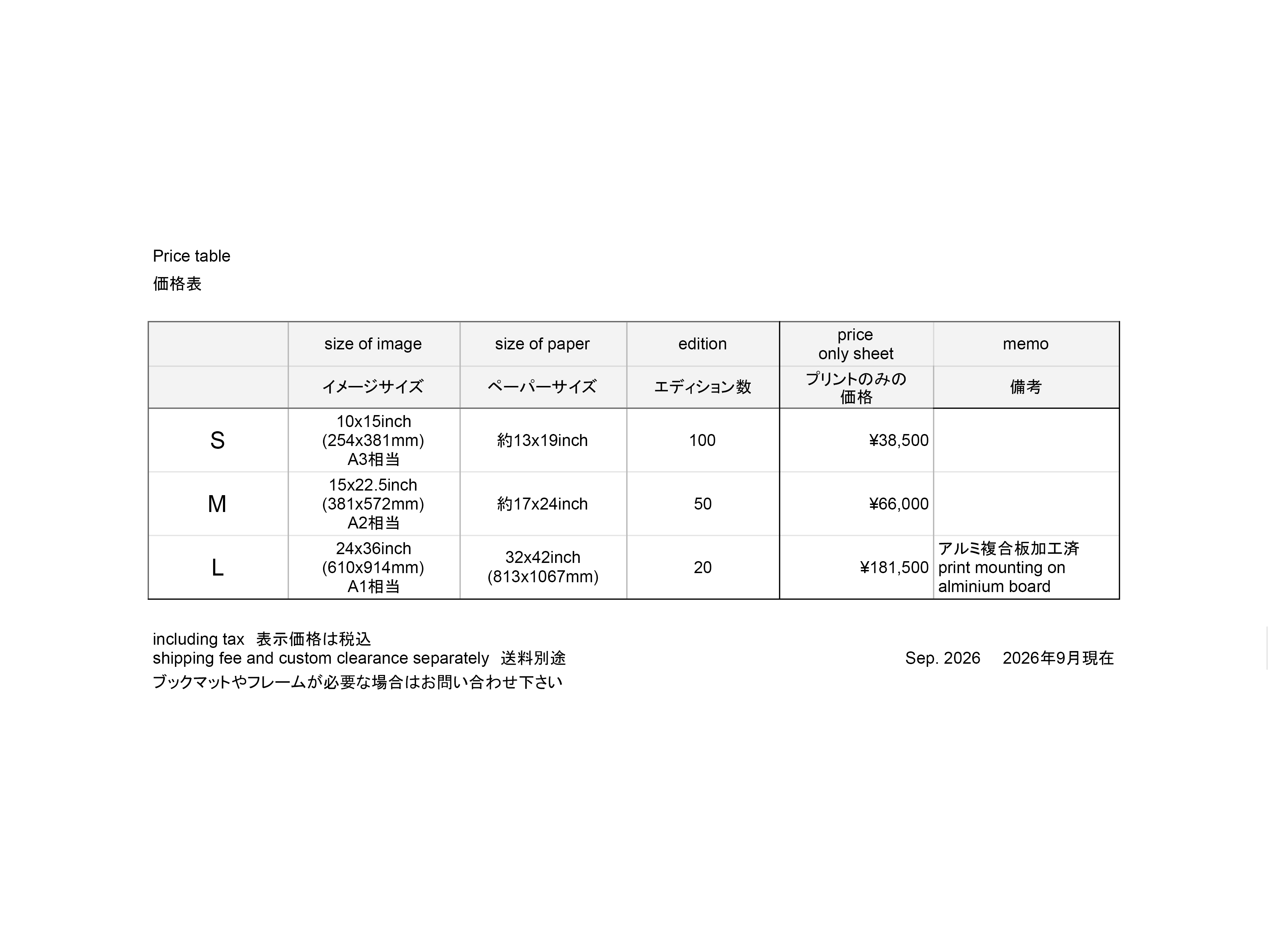
Size
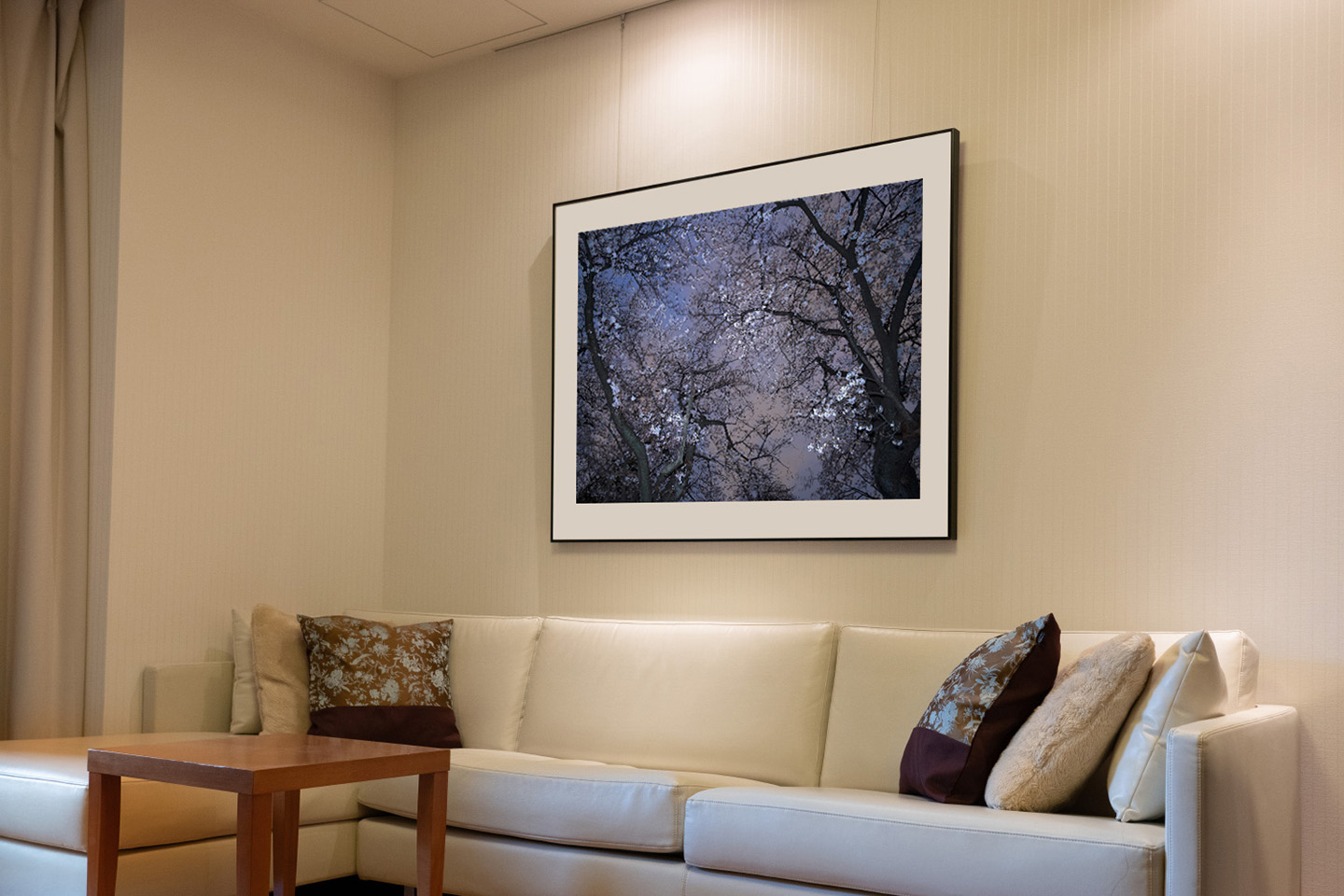
24x36"(610x914mm)〜10x15"(254x381mm)
Method
About printing
プリントについて
I select multiple optimal output media (paper) that match the nature of the work, taking into account surface effects such as texture and subtle glossiness, and materials that enable long-term storage.
テクスチャや微妙な光沢感などの表面効果や長期保存を可能にする素材などを考慮しながら、
作品の性質に合わせた最適な複数の出力媒体(用紙)を選択しています。
Typical paper used(代表的な使用用紙)
CANSON Arches Velin Museum Rag
Hahnemühle PhotoRag Satin
Pictran Kyokushi